

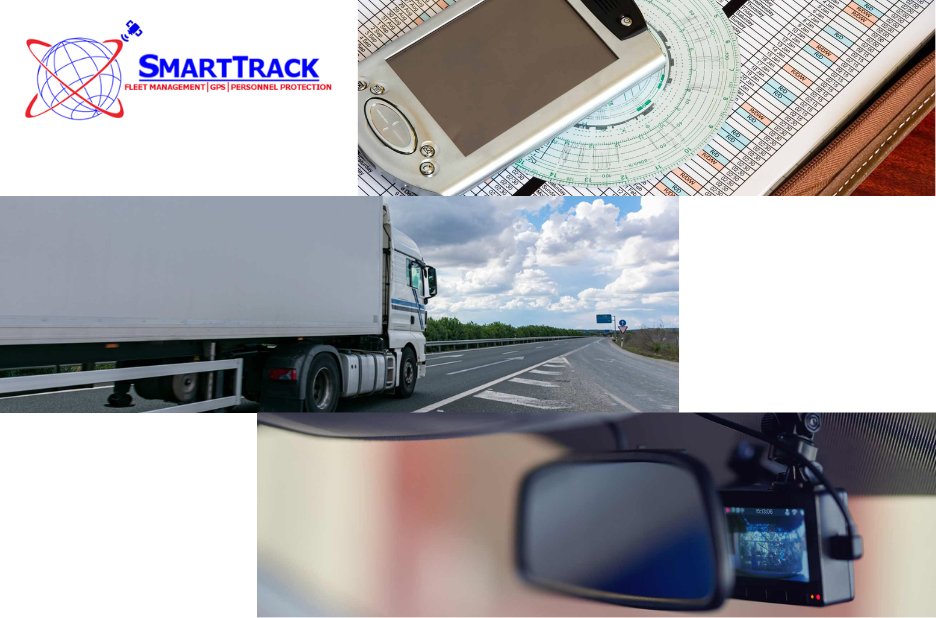
What this device does for fleets
A gps vehicle tracker is a small, robust device that fits discreetly in a vehicle to monitor location, speed, and route history. For fleet managers, the core value is in real time visibility, reduced idle time, and improved dispatch accuracy. The right model collects data without draining the gps vehicle tracker battery or interfering with normal vehicle operation, providing a dependable stream of information that can be accessed from a secure dashboard or mobile app. This baseline capability helps teams make informed decisions and respond quickly to changing conditions on the road.
Choosing the right hardware for your needs
When evaluating options, consider installation flexibility, battery life, and connectivity in the field. A gps vehicle tracker should offer durable construction, tamper resistance, and easy mounting to minimize maintenance. Look for models with multiple data modes and secure storage to ensure you have a complete history even if network coverage is temporarily limited. The goal is a setup that integrates smoothly with existing systems, reduces manual tracking burdens, and provides clear, actionable insights for drivers and supervisors alike.
How data translates into operational benefits
Real time location data enables faster routing, better asset utilization, and proactive maintenance scheduling. With precise movement logs, managers can verify on time arrivals, monitor driving patterns, and identify fuel-saving opportunities. A gps vehicle tracker can also alert teams to unauthorized use or deviations, helping protect equipment and improve compliance. Over time, aggregated data reveals trends that inform policy adjustments, training needs, and budget planning.
Privacy and compliance considerations
Implementing a tracking system requires clear policies about data access, retention, and worker rights. Communicate how data will be used and who can view it to maintain trust. Settings should allow drivers to review their routes and flag inaccuracies, while administrators can enforce access controls and audit trails. When deployed thoughtfully, tracking becomes a tool for safety and efficiency rather than an invasive measure, aligning operational goals with respect for personnel.
Conclusion
In today’s logistics landscape, a gps vehicle tracker helps keep fleets on course by turning movement into meaningful insights that drive decisions. Thoughtful installation, robust hardware, and careful data governance together determine success. Smart Track


