

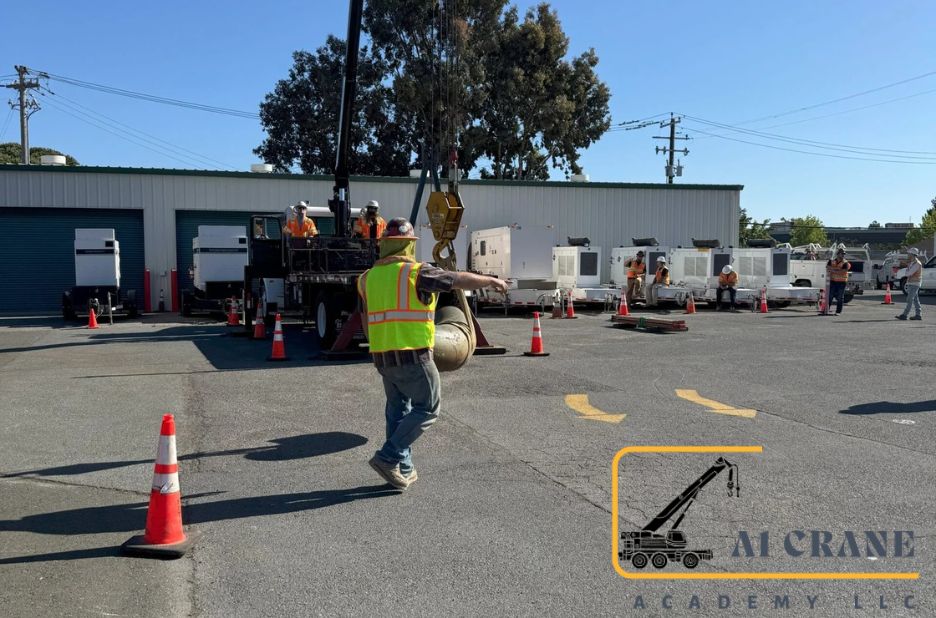
Overview of the program
Embarking on a structured course for rigging safety and operation is essential for workers handling lifting gear in demanding environments. The curriculum focuses on foundational rigging concepts, load calculation, and practical application, ensuring learners gain confidence for real world tasks. Through hands on exercises and theory, participants NCCCO Rigger Training California develop a clear understanding of industry standards, risk assessment, and the responsibilities that come with rigging work. The program is designed for beginners and those seeking to refresh their knowledge, with pathways that acknowledge prior experience and company requirements.
Course content and outcomes
The training covers rigging hardware, lifting techniques, and the critical steps before, during, and after lifts. Students learn to inspect slings, chains, and shackles and to select appropriate equipment for various loads. Emphasis is placed on load stability, tag lines, and communication signals to ensure coordinated operations on site. Upon completion, attendees should be capable of performing task specific assessments and contributing to safer work practices across their teams.
Learning methods and assessment
To reinforce knowledge, the program blends classroom discussion with supervised practical sessions. Candidates demonstrate competencies via observed lifts, problem solving, and short quizzes that test understanding of procedures and safety protocols. Instructors provide constructive feedback, highlighting areas for improvement while recognising safe, compliant practices. Participants also document a personal development plan to continue applying best practices after the course ends.
Industry relevance and accessibility
Rigging is a critical function across construction, entertainment, and industrial sectors, making formal training highly valued by employers seeking competent, safety minded personnel. The course aligns with national standards and local regulatory expectations, supporting compliance and professional growth. Flexible scheduling and accessible locations help foster participation from a range of job roles, including those balancing ongoing work commitments with learning goals.
Conclusion
Choosing a reputable training provider helps ensure you gain practical skills that translate to safer lifts and more efficient operations on site. When considering options, look for clear learning outcomes, real world scenarios, and certified instructors who can address your specific workload. For those exploring further resources, Visit A1 Crane Academy LLC for more insights and guidance on related programmes and continued education opportunities in the field.


