

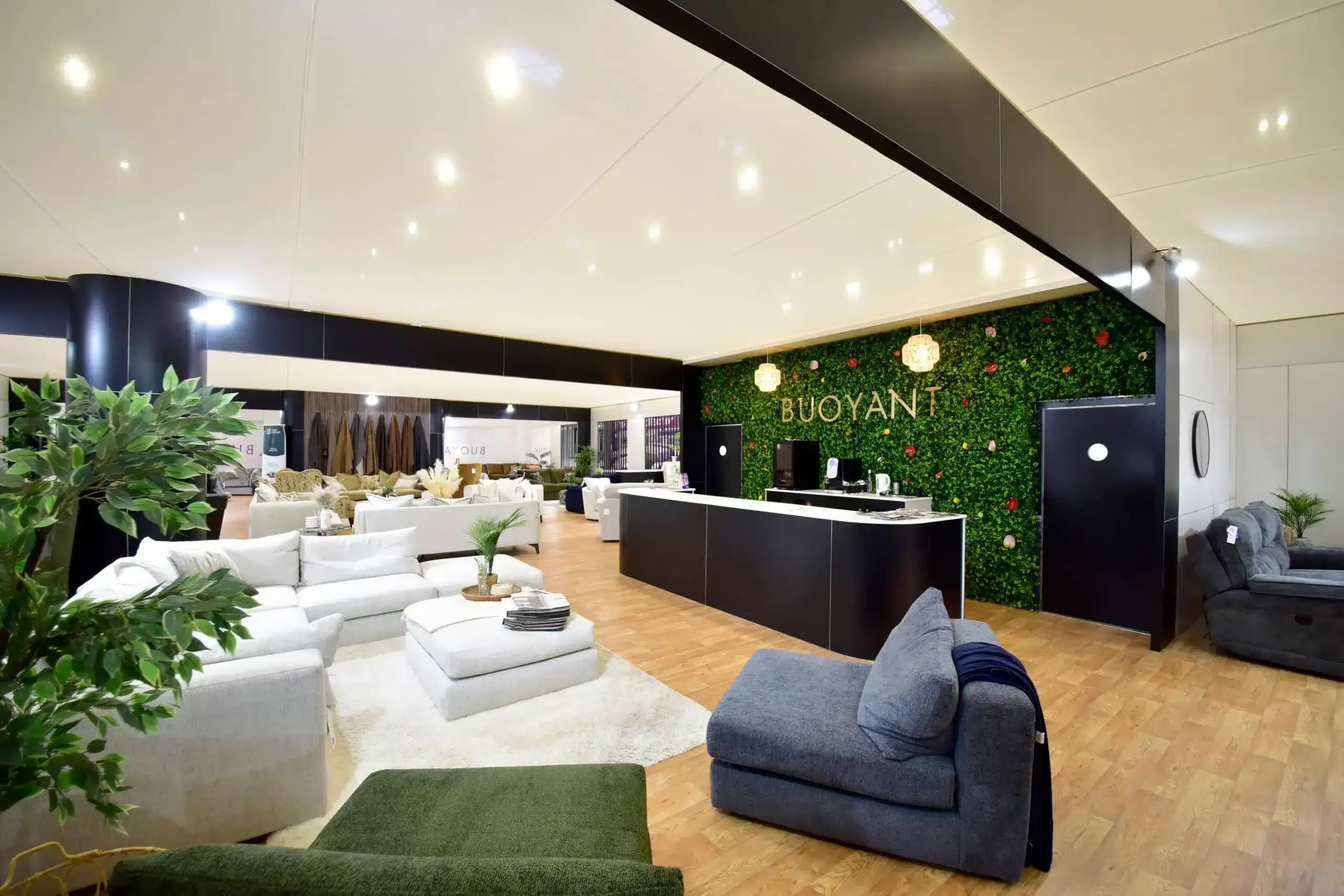
Space with a clear story and a bold first impression
Retail And Showroom Design Specialists bring a practical eye to space planning, making every square foot count. The goal is to map customer flow—where attention lands, how products are surfaced, and where signage lands most convincingly. Concrete layouts replace guesswork with measured zones: a warm welcome zone, a focal display, Retail And Showroom Design Specialists and a quiet counter area that supports easy checkout. Materials lean on durability and texture, with lighting calibrated to highlight products without glare. The result is a store floor that feels honest, accessible, and ready to convert curious shoppers into confident buyers.
Modular thinking to scale without breaking the bank
Modular Reusable Exhibition Stands offer agility for evolving campaigns and seasonal shifts. A single system can reconfigure for a pop-up, a fine-burnished showroom, or an off-site trade event. Rather than a fresh build for every project, components snap together with simple hardware and repeating color Modular Reusable Exhibition Stands stories. The approach reduces waste and accelerates setup, while enabling consistent branding across venues. It’s practical design that respects budgets and delivers a coherent brand footprint across channels, from flagship floors to mobile displays in high-street locations.
Material choices that age gracefully and perform daily
Quality takes a tangible form in texture, color, and finish. A careful blend of matte surfaces, tempered glass, and sound-absorbing panels keeps noise down in busy aisles while guiding sightlines to merchandise. Durable fixtures resist scuffs from carts, and fabric swatches prove resistant to sun fade and routine cleaning. In this frame, design decisions honor both aesthetic and upkeep, ensuring each showroom look endures through repeated traffic and frequent merchandising changes without appearing worn or dated.
Technology that serves the shopper, not the spec sheet
Digital touchpoints sit where they assist, not overwhelm. A kiosk can offer product specs, size guides, and availability without interrupting the tactile experience of handling goods. Motion sensors subtly adjust lighting and energy use as crowds change, while QR codes link to extended content in a friendly, accessible way. For the retail space, technology should feel like a helpful tool, blending into the fabric of design rather than competing with it for attention—creating a seamless, modern shopping journey.
Guided merchandising that keeps paths clear and goals visible
Effective merchandising spaces rely on simple, repeatable cues. Endcaps tell a story in seconds; height variations add rhythm without confusion; color blocks create a path through product families. A well-planned fixture cadence helps tell the brand’s tale while keeping staff faces free to assist. Ensuring accessibility for all customers—visitors with diverse mobility needs, parents with carts, and travelers with luggage—keeps the space inclusive and efficient. This discipline translates to better dwell time and higher baskets on busy days.
Conclusion
Beyond looks, the design favors easy maintenance, quick restock, and resilient setups. Clear zones for stock, returns, and customer service reduce friction and wait times. Clear labeling speeds pick now, rest later cycles, and reduces errors during peak hours. A durable base plan supports frequent changes in products and promotions. When the shop can adapt fast, the customer feels confident, the staff stay organized, and the business grows with less drama and more steady momentum.


