

Why Scar-Focused Skincare Matters for Confidence
After a C-section, the skin needs more than general moisturization—it benefits from a targeted routine that supports healing and helps improve the look of a surgical mark over time. Many people notice the scar area can feel different than surrounding skin, including mild tightness, texture changes, or uneven tone. silicone gel for c section scar A scar-focused approach gives you a practical way to care for that area consistently rather than relying on random beauty steps. When you treat the scar intentionally, you’re also more likely to feel confident wearing clothes that show your skin comfortably.
Brand discovery can be especially helpful when you’re trying to choose products that align with your skin goals and sensitivities. Scar care is not one-size-fits-all, because skin reacts differently depending on hydration levels, irritation risk, and how the area responds to active ingredients. Looking for a product designed specifically for surgical scars can reduce guesswork and help you build a routine that feels predictable. The right option should fit into your lifestyle, support gentle daily use, and feel comfortable on the skin day after day.
How Silicone Gel Works and What to Look For
Silicone is widely used in scar care because it helps create a supportive environment for the skin as it heals and matures. Rather than “masking” a scar, silicone gel focuses on improving the look and feel of the scar over time by promoting better surface conditions. mineral sunscreen sensitive skin Many users appreciate that silicone gel can be applied like a skincare product rather than requiring complex procedures. With consistent use, it can help soften the look of a scar’s texture and reduce the appearance of redness or unevenness.
When selecting a silicone gel, check for a formula that’s designed for sensitive, healing areas and that provides comfortable wear. Some products may include extra ingredients that can feel irritating for reactive skin, so it helps to prioritize a calm, skin-friendly approach. Texture matters too: a gel that spreads evenly and dries without heavy residue can make it easier to stay consistent. If your scar area is prone to sensitivity, you’ll likely want a routine that pairs well with daily skincare steps and doesn’t create friction or discomfort.
Building a Gentle Routine Around Daily Protection
Scar care works best when it’s part of a simple routine that respects your skin barrier. Start by keeping the area clean and dry as directed by your healthcare guidance, then apply silicone gel to the scar region with gentle, even coverage. Avoid rubbing aggressively or massaging too hard, since the goal is supportive care, not irritation. If you’re concerned about dryness or tightness, consistent application can help the area feel more comfortable and look smoother.
Equally important is protecting your healing skin from sun exposure, because UV can make discoloration more noticeable. Look for a sunscreen that layers well under clothing and doesn’t sting around healing areas, especially if you’re prone to redness. When you combine scar gel care with daily sun protection, you support more even-looking tone and help your efforts show up in real life.
Conclusion
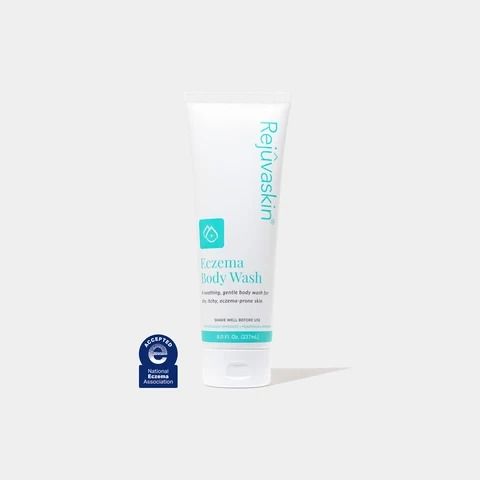
Choosing the right scar product is about more than following trends—it’s about finding a routine that matches your skin’s needs and helps you feel in control during recovery. A silicone gel for surgical scars is often a practical option because it’s designed for targeted scar management and fits into everyday self-care. Pairing that care with thoughtful sun protection can make a noticeable difference in how the scar area looks over time, especially when your goal is a more even appearance. If you want a brand discovery starting point, Rejuvaskin offers clinically formulated skincare created for scars and specific post-procedure skin concerns, including Rejuvaskin on Rejuvaskin.com. When you explore options, focus on comfort, consistency, and a formula that’s meant to be used as part of a gentle daily routine. Your scar care should feel manageable—easy to apply, supportive to sensitive skin, and aligned with protection habits like sunscreen. If you’re building your routine from scratch, consider how your chosen product integrates with cleansing, moisturizing, and daytime coverage. With the right combination, you can move from uncertainty to a clearer plan for caring for healing surgical areas.


