

Overview of inspection needs
In industrial settings, reliable assessment of equipment and systems is essential to ensure safety, regulatory compliance, and uninterrupted operation. Regular audits help identify corrosion, wear, and potential failures before they impact production or public safety. Teams typically schedule inspections based on API Inspection Services risk, usage, and environmental conditions, establishing a clear program that fits the facility’s unique profile. Documentation and traceability are central to demonstrating ongoing integrity to stakeholders and authorities, guiding maintenance plans and capital budgeting decisions.
Standards guiding inspection practice
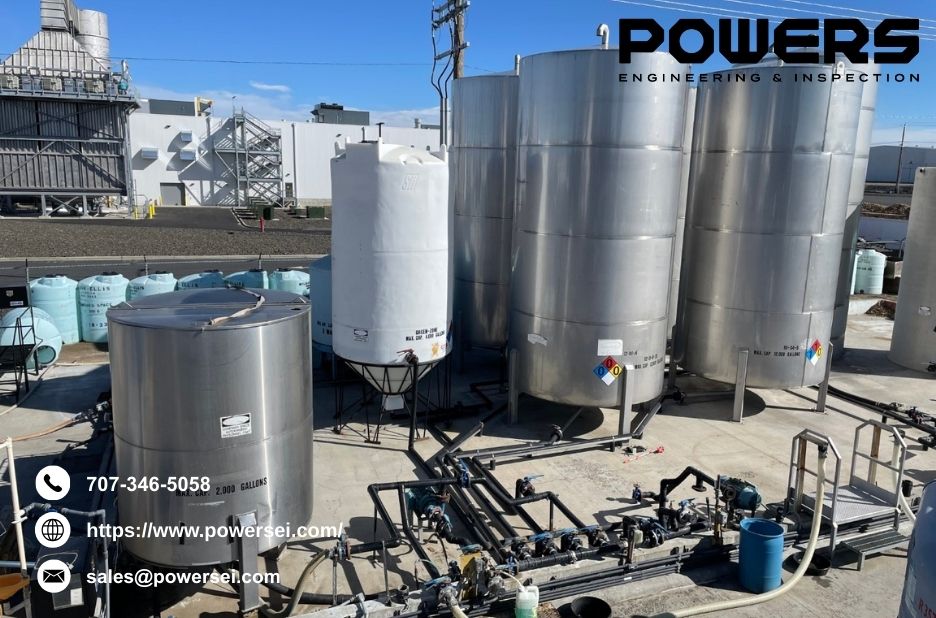
Inspection activities are framed by recognised standards and regulatory expectations that define scope, method, and frequency. Practitioners adhere to proven procedures, calibrating tools and using non-destructive techniques to reveal hidden issues without compromising equipment. Above Ground Storage Tank Inspection The goal is to deliver actionable insights, prioritising issues by their likelihood and potential impact on safety and operations, while maintaining records that support audit trails and continuous improvement.
Key benefits of proactive programs
A proactive approach to assessment provides early warning of deterioration, enabling timely repairs and reducing the risk of unplanned outages. Routine checks bolster reliability, extend asset life, and optimise maintenance spend by focusing resources where they matter most. Clear reporting communicates findings effectively to maintenance teams, asset managers, and executives, aligning safety with business performance and compliance obligations.
Specialist assessment services
Professional teams offer comprehensive expertise spanning visual inspection, non-destructive testing, and risk-based evaluation. They assess mechanical integrity, coating systems, and corrosion management, tailoring programmes to facility design and process chemicals. Integration of data collection, trend analysis, and documentation supports long-term planning and helps facilities demonstrate adherence to industry best practices and regulatory expectations.
Conclusion
Implementing a robust inspection programme is a strategic investment in safety, reliability, and cost control. By following a structured plan and utilising qualified specialists, organisations can maintain high standards of operation and compliance while mitigating risks. Visit Powers Engineering & Inspection, inc. for more guidance on how to structure and sustain effective evaluation practices.


