

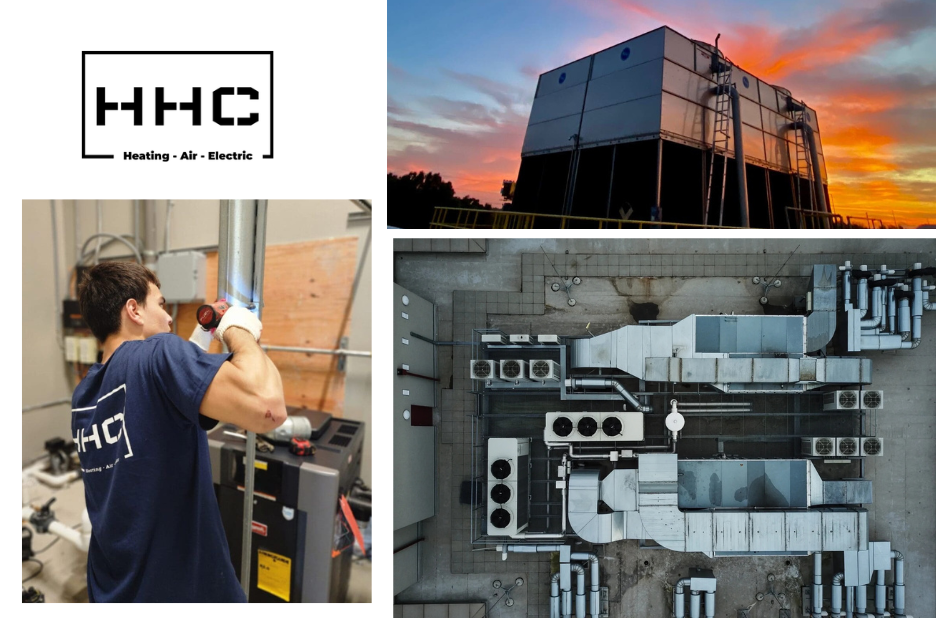
Overview of Commercial Climate Needs
Managing climate comfort in commercial environments requires reliable equipment, efficient maintenance, and a proactive approach to energy use. Building owners and facility managers should assess space usage, occupancy patterns, and load variation to tailor systems that respond quickly to changes in demand. Routine inspections help prevent heating and cooling commercial unexpected outages during peak business periods. A well-documented maintenance plan also supports compliance with safety standards while extending the life of HVAC assets. Clear communication with tenants and staff ensures everyone understands how seasonal adjustments impact comfort and costs.
System Types and Efficiency Considerations
Commercial properties rely on a mix of equipment, from rooftop units to variable refrigerant flow systems. Each option has distinct benefits in terms of space needs, maintenance requirements, and energy profiles. Prioritizing units with high seasonal energy efficiency ratios and proper zoning can reduce energy waste and improve temperature control. Careful sizing and professional installation are essential to minimize short cycling and unnecessary wear, which translates to lower operating expenses over time.
Maintenance Practices for Longevity
Preventive maintenance is the cornerstone of dependable climate control. Regular filter changes, refrigerant checks, and coil cleaning help preserve airflow and efficiency. Technicians should also verify electrical connections, thermostat calibration, and condensate management to avoid moisture-related damage. A structured maintenance calendar supported by detailed service reports gives property teams a clear view of system health and upcoming service needs, reducing the risk of costly repairs and downtime.
Choosing a Trusted Partner for Installations
When selecting a contractor for installation or retrofit projects, prioritize credentials, transparent pricing, and a track record of working with commercial clients. A reputable provider will conduct a thorough site evaluation, propose scalable solutions, and outline maintenance requirements in plain terms. Long-term relationships with service teams can yield priority scheduling, rapid responses, and ongoing optimization recommendations based on actual usage patterns.
Conclusion
Effective climate control in commercial settings hinges on thoughtful planning, dependable equipment, and steady upkeep. By aligning system choices with occupancy needs and building design, operators can achieve comfort while keeping costs predictable. Regular communication with the facilities team and tenants supports smoother operations, and proactive service reduces the risk of surprises during extreme weather. For professional guidance and reliable service, consider referencing HHC Services LLC


