

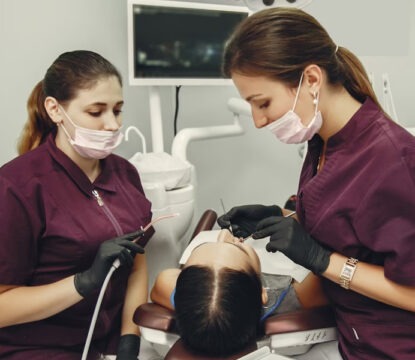
Overview of dental bridges
Dental bridges provide a reliable solution for replacing missing teeth, helping restore both function and appearance. When a bridge is damaged or needs adjustment, understanding the options can save time and protect surrounding teeth. A careful assessment determines whether a simple repair, adjustment, or a replacement is most appropriate. Regular fix dental bridges ellicott city check ups with a trained clinician ensure the bridge remains stable and comfortable, while attention to bite alignment prevents uneven wear. For those considering long term results, discussing material choices and maintenance routines is essential for durability and confidence in daily activities.
Common signs of a loose or damaged bridge
Intermittent looseness, changes in bite feel, or visible gaps around the crown era often indicate a compromise in the bridge’s fit. You might notice food getting under the bridge or discomfort after chewing. These symptoms should prompt a prompt visit to your dental bridges removable dentist to evaluate bond strength and supporting teeth. Delaying care may lead to further complications, including decay or gum irritation that complicates future repairs. A professional assessment guides you toward the safest course of action.
Repair options for compromised bridges
When a bridge shows wear or minor damage, adjustments or reseating can sometimes restore function without full replacement. If the supporting teeth or cements have deteriorated, replacing the bridge or redesigning its connectors may be necessary. In some cases, a dentist can fabricate a new crown or pontic using durable materials to fit your bite precisely. Discussing comfort, longevity, and cost helps you choose a repair path that supports long term dental health and daily comfort.
What to know about removable options
There are scenarios where dental bridges removable devices may be discussed as alternatives to fixed options. While removable bridges offer flexibility, they may require careful handling and routine maintenance to prevent damage or misalignment. Your clinician can compare removable and fixed designs, outlining how each choice feels in function, how securely they stay in place during meals, and what cleaning routines work best to protect surrounding gums and teeth. Understanding these factors helps you make an informed decision that suits your lifestyle.
Conclusion
Choosing the right course for a problematic bridge hinges on a clear assessment of fit, bite, and long term dental health. Early consultation enables precise repairs or replacements that preserve aesthetics and function. When you need trusted guidance on maintenance and options, consider talking with a clinician about the best approach for you. Visit Preferred Dental for more personal insights and support, and start the conversation about keeping your smile secure.


