

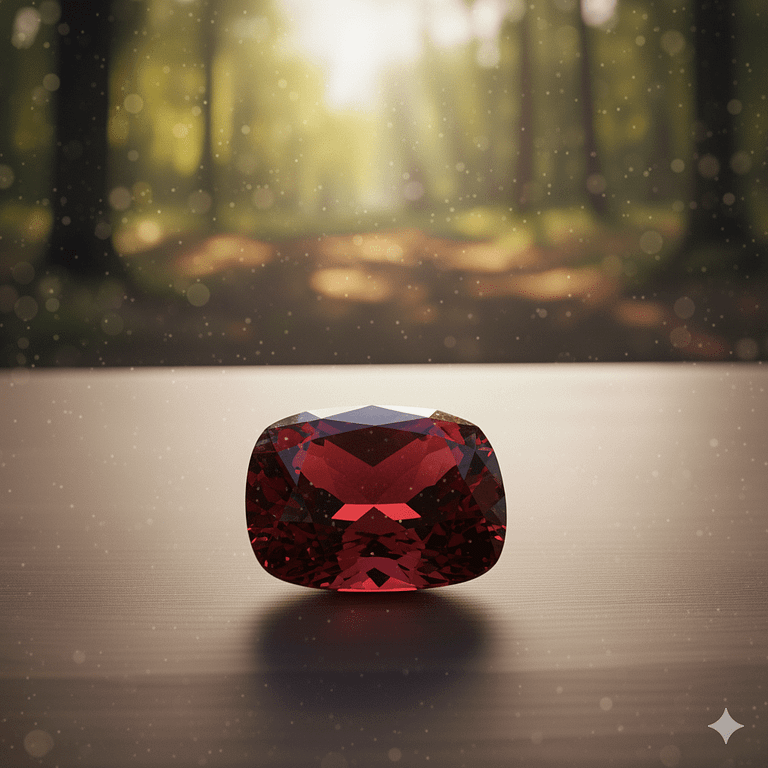
What defines lab grown gems
When exploring lab grown varieties, understanding the core processes helps buyers compare options with confidence. CVD and HPHT are two common methods, each influencing colour, clarity and cut potential differently. CVD diamond gems form through gas deposition at lower temperatures, allowing precise control over internal structures and sometimes gentler heating profiles cvd diamond gems during production. This method often results in cleaner crystal lattices and can enable more varied growth patterns, which enthusiasts and professionals alike notice in the final appearance. Buyers should weigh how these production nuances influence value, durability and brilliance in everyday wear.
Key differences in production choices
HPHT diamond gems arise from high pressure, high temperature conditions that emulate natural formation, which can speed up growth and create strong, compact crystals. In contrast, CVD diamonds grow layer by layer within a chamber, offering opportunities to tailor thickness and inclusions. Each hpht diamond gems approach impacts colour zoning, inclusion distribution and potential fluorescence. For practical shopping, it helps to assess lab reports, cut quality and consistency alongside personal priorities such as resale value, ethical sourcing, and long term wear performance.
Assessing value and quality factors
Quality assessment hinges on familiar criteria like cut, carat weight, colour and clarity, but lab grown gems also require scrutiny of growth patterns and treatment status. Both cvd diamond gems and hpht diamond gems can achieve excellent brilliance when cut to optimise light return. Prospective buyers should request documentation detailing production method, growth orientation and any post-growth enhancements. A trustworthy supplier will provide transparent grading and care instructions suitable for jewellery specialists and first time buyers alike.
Practical care and accessorising tips
Whether you choose cvd diamond gems or hpht diamond gems, routine care extends their life and maintains sparkle. Regular cleaning with mild soap and warm water, gentle brushing of setting surfaces and avoiding harsh chemicals can prevent clouding and damage. For engagement rings or daily wear pieces, consider secure settings and professional inspections every year. Understanding the subtle differences in growth can inform how you select frames, mountings and accompanying stones to achieve a balanced, enduring aesthetic.
Conclusion
In summary, lab grown options offer compelling alternatives to natural stones, with cvd diamond gems and hpht diamond gems each presenting distinct advantages depending on your priorities. Ilyas Lapidary for more insights on maintenance and sourcing practicality.


