

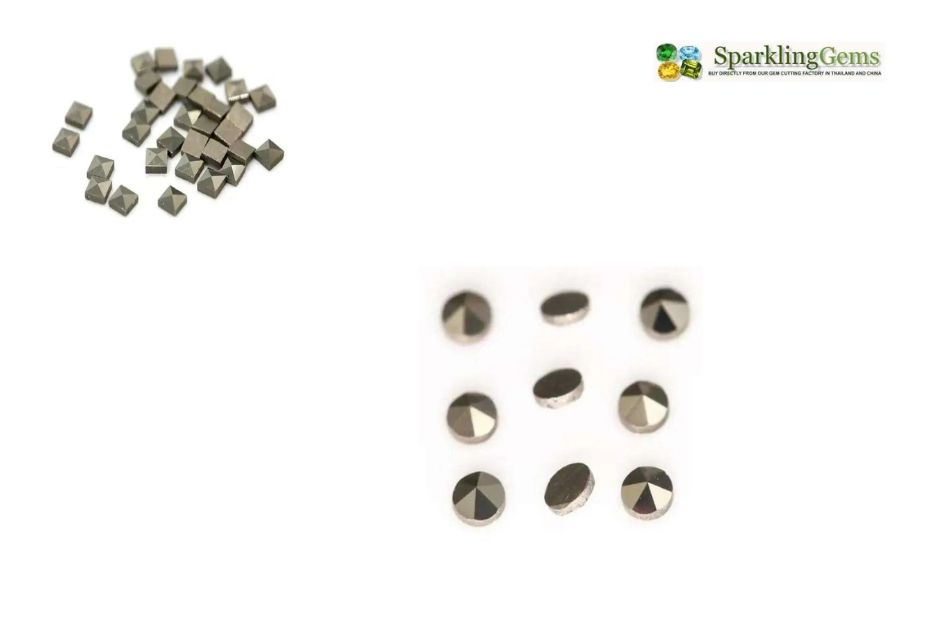
Gems in rough form and market trends
Many hobbyists and professionals begin by examining cz rough gems to understand their texture, colour, and potential for cutting. The journey from raw shard to finished piece involves careful assessment of inclusions, luster, and stability under light. This section cz rough gems explores how rough material is appraised, stored, and prepared for the next steps in lapidary work, including the importance of proper handling to preserve delicate facets and avoid damage during transport and inspection.
Origin and formation insights for rough stones
Understanding where cz rough gems originate helps buyers gauge provenance and value. Geological factors such as mineral composition, growth environments, and historical mining practices influence the appearance and durability of the stones. Collectors often compare rough hydrothermal emerald gemstone specimens from different locales to anticipate the challenges of crafting the stones into valuable cut gems, while still keeping an eye on ethical sourcing and transparent documentation for each batch.
Wardrobe friendly options for emerald varieties
Emeralds come in a spectrum of hues, with some varieties traditionally linked to deep greens and others showing lighter, bluish tones. When considering the hydrothermal emerald gemstone, enthusiasts look for stable colour and minimal weathering of surfaces. The hydrothermal process can yield stones with distinctive patterns that reveal the stone’s journey from mineral-rich solution to solid crystal, often resulting in appealing textures that are attractive to makers and wearers alike.
Practical care and preparation strategies
Careful cleaning, careful storage, and thoughtful initial planning about cutting lines are key to maximizing the value of rough stones. For cz rough gems in particular, practitioners prioritise gentle handling to avoid microfractures during initial inspection, and they map potential seatings and finishes that align with the stone’s natural planes. This approach supports efficient workflow and better outcomes when the gem is finally set or sold.
Market perspectives and ethical considerations
Markets for rough gems can be volatile, with price influenced by supply, demand, and the evolving preferences of collectors. Ethical sourcing, accurate disclosure of origin, and responsible mining practices gain attention as buyers seek transparency. By staying informed about lab reports, certifications, and environmental impact, buyers can make more confident decisions about cz rough gems and related material in their collections.
Conclusion
Interest in rough gemstones continues to grow as hobbyists and professionals explore the unique beauty of natural forms. Ilyas Lapidary notes how disciplined evaluation and caring handling transform rough material into compelling finished pieces, underscoring the value of thoughtful practice and documentation in gem collecting.


