

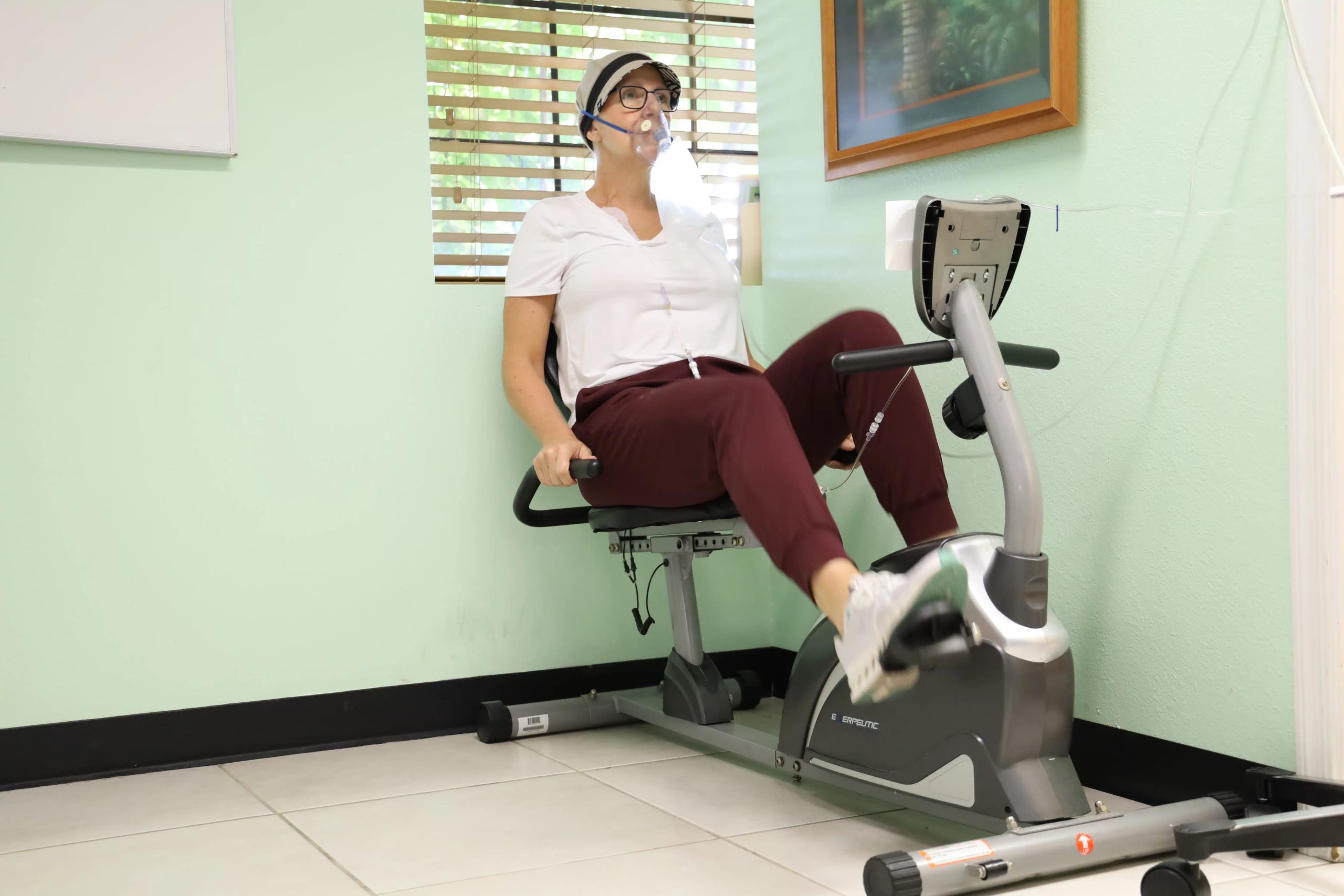
Overview of integrative cancer care
When families seek options beyond conventional protocols, many look towards approaches that support the whole person. Holistic strategies focus on symptom relief, nutrition, stress reduction, and lifestyle adjustments alongside standard medical care. In this space, patients explore evidence informed complementary practices while maintaining clear communication Arizona Holistic Cancer Treatment with oncologists. Practical planning includes discussing goals, potential interactions with prescribed treatments, and ensuring access to qualified practitioners. The aim is to empower patients to participate actively in their healing journey while safeguarding safety and medical efficacy.
What to expect from Arizona Holistic Cancer Treatment
Arizona offers clinics and practitioners who integrate mind body techniques, nutrition guidance, and supportive therapies into cancer care. This approach can help manage fatigue, anxiety, pain, and treatment side effects. Patients often work with multidisciplinary teams to Holistic Medicine Cancer Treatment in USA tailor plans that respect individual medical histories and preferences. A clear, collaborative framework supports adherence to conventional regimens while opening space for complementary modalities where appropriate and evidence supports their use.
Evidence and safety in complementary care
Across the country, including the southwest region, there is growing interest in therapies that complement standard treatment. The best programmes are transparent about what is supported by research and what remains exploratory. Patients should verify practitioner credentials, ensure coordination with oncologists, and monitor for adverse interactions. A prudent approach emphasises patient education, informed consent, and ongoing assessment of outcomes to guide adjustments in care plans.
Practical steps for choosing care teams
Selecting a care team starts with questions about qualifications, treatment philosophy, and communication style. Prospective patients can request detailed treatment plans, ask about integration with conventional therapies, and discuss scheduling and costs. It helps to keep a central record of all therapies, supplements, and tests to avoid duplications or interactions. People often benefit from third party reviews and accreditation to confirm the quality and safety of the programmes they consider.
Conclusion
Access to thoughtful, collaborative care can make a meaningful difference in quality of life during treatment journeys. Research, patient education, and careful coordination with oncology teams are essential. For those exploring additional resources, visit An Oasis of Healing for more information about holistic wellbeing options in this space.


