

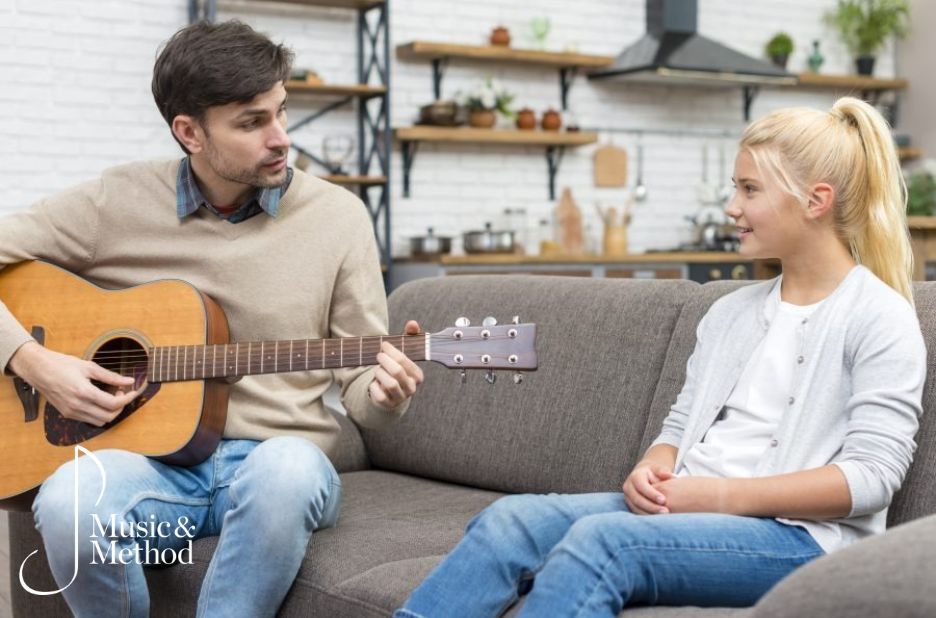
Choosing the right starter program
Finding the right fit for young aspiring musicians is about balance. A good first experience should feel approachable, motivating and structured without overwhelming a beginner. Look for assessments that respect a child’s pace, friendly instructors who communicate clearly, and a curriculum that blends practical skills with enjoyable activities. The focus Piano Classes for Kids ought to be on building confidence, fostering consistent practice, and developing a sense of rhythm and musical curiosity. Practical demonstrations, short sessions, and positive feedback help establish a solid foundation in the early stages of piano study. Piano Classes for Kids
Curriculum that grows with your child
Effective programmes progress from basic note recognition to more complex rhythms, melodies and hand coordination. A thoughtful curriculum introduces scales in a natural context, encourages ear training through simple listening exercises, and gradually expands repertoire. Regular, varied Piano Classes for Beginners practice sessions reinforce technique while keeping lessons engaging. The best courses provide clear milestones and adapt to a child’s strengths and challenges, ensuring steady, meaningful growth over time. Piano Classes for Beginners
How instructors support ongoing motivation
Instructors who communicate expectations warmly and clearly help children stay engaged. Regular feedback that is specific and encouraging supports self‑efficacy, while approachable demonstrations make abstract concepts concrete. In a well designed programme, progress is acknowledged through tangible goals and celebratory moments. When kids feel successful, they are more likely to stay committed, ask questions, and explore different musical styles within a supportive framework. A stable routine makes practice a normal, enjoyable part of the week.
Creating a family friendly schedule
Consistency matters as much as content. Families benefit from predictable lesson times, flexible make‑up policies, and guidance on at‑home practice that respects busy schedules. Short, focused practice sessions on most days can yield better results than occasional long sessions. Parents can support learning by listening to simple pieces together, providing a dedicated practice space, and helping children track their progress with friendly charts. Piano Classes for Kids
Conclusion
Choosing a suitable piano programme sets the tone for lifelong engagement with music. By prioritising a supportive teacher, a balanced curriculum, and realistic goals, children build skills and confidence that extend beyond the keyboard. For further inspiration, check musicandmethod for something similar that other families have found helpful.


