

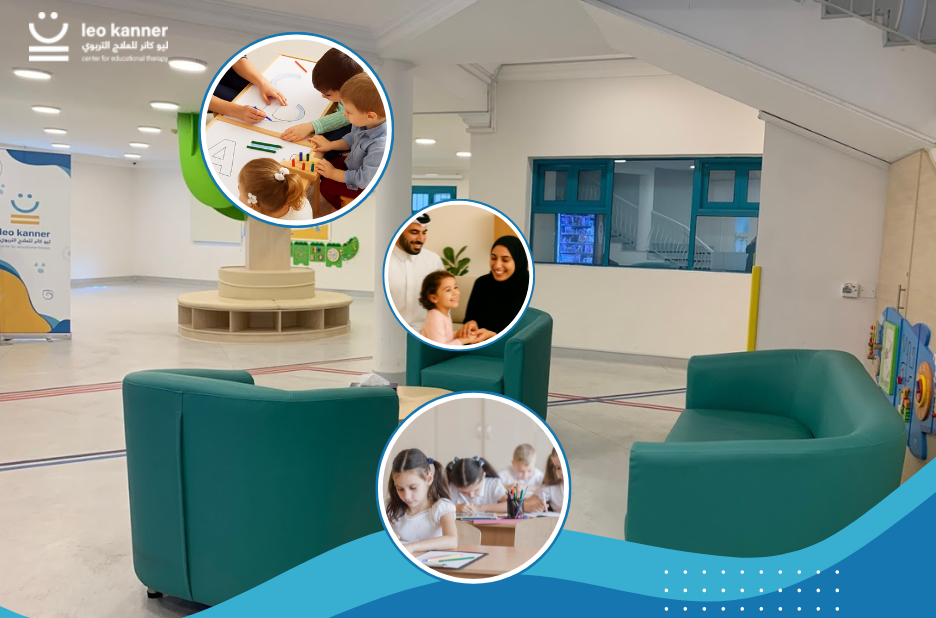
Overview of specialized education
Many families seek targeted strategies that align with each learner’s strengths and challenges. A thoughtful approach emphasizes consistent routines, clear expectations, and activities that build executive functioning, social communication, and academic skills. Educators focus on practical goals, measurable progress, and collaboration with families Leo Kanner Center for Educational Therapy to adapt plans as needs evolve. By integrating evidence-informed practices with compassionate instruction, schools can create inclusive environments where students feel capable and motivated to grow. This foundation supports long term success beyond the classroom walls.
Therapy guided classroom methods
Within the educational setting, therapists collaborate with teachers to translate therapeutic insights into daily lessons. This often includes breaking tasks into manageable steps, using visuals to aid understanding, and offering gentle prompts to sustain attention. Regular assessment helps adjust pacing and supports, ensuring that activities remain engaging yet challenging. The goal is to foster independence, reduce frustration, and promote participation across groups and individual work alike.
Individualized support plans
Effective programs begin with a comprehensive evaluation that informs individualized support plans. These plans outline specific objectives, timelines, and resources, linking therapy goals to classroom outcomes. Interventions may cover organizational skills, working memory, self-regulation, and social interaction, with progress tracked through ongoing data collection. Families and educators share responsibility for monitoring milestones and refining strategies to maintain momentum over time.
Community and family collaboration
Strong partnerships between schools, therapists, and families create a cohesive support network. Regular communication helps align expectations, celebrate successes, and address challenges promptly. When families are involved in decision making, changes in routines and accommodations become more sustainable. Community outreach and parent education empower caregivers to reinforce strategies at home, bridging learning across contexts and enhancing overall resilience for the learner.
Conclusion
Learning is most effective when instruction is responsive, consistent, and collaborative. By combining structured approaches with empathetic supports, students can build confidence and practical skills that transfer beyond the classroom. Check in with local programs to discover resources and services that fit your child’s needs. Visit Leo Kanner Center for Educational Therapy for more information and related tools to support learning, development, and daily functioning.


