

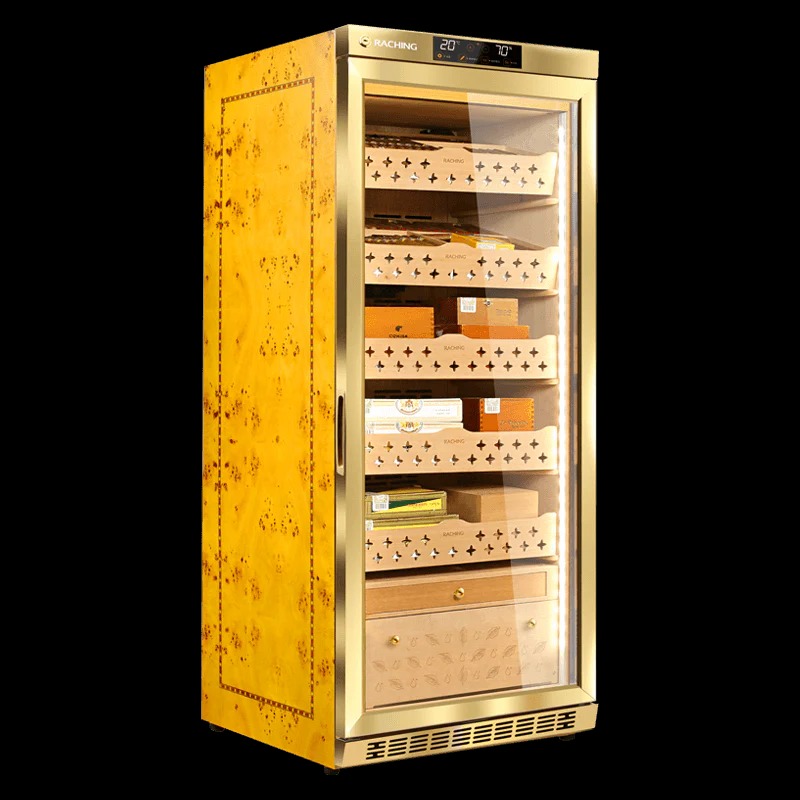
Compact fit guides
When a kitchen or bar layout demands smooth lines and clean sightlines, built in wine coolers under counter deliver. They tuck beneath cabinets, freeing free-standing space for prep and seating while preserving a precious inch or two for toe kicks and panel alignment. Consider door swing, venting, and clearance for shelves that hold classic built in wine coolers under counter Bordeaux and slender Pinot bottles alike. The right unit matches depth with cabinet reveal, so front panels align. In practice, homeowners map the path from prep zone to consumption zone, ensuring the door clears drawers and the hinge sits mostly flush with the face frame.
- Choose a model with adjustable shelves to accommodate varying bottle heights
- Check ventilation requirements to avoid heat buildup
- Measure cabinet depth to ensure a seamless flush install
Temperature control reality
Temperature control in a built in beverage refrigerator matters more than looks. Most models offer dual zones to keep whites cooler than reds, or one zone with a broader range. Precision thermostats, digital readouts, and fan-assisted cooling mean fewer temperature swings when doors are opened. In built in beverage refrigerator kitchens that see heavy daily use, a sturdy compressor and well-sealed gaskets reduce ambient heat intrusion. It pays to verify alarm features, so bottles don’t drift into unwanted climates, especially taller bottles that need extra space above the racks.
Energy and noise considerations
Quiet operation is a selling point for built in wine coolers under counter, as is energy efficiency. Look for models rated by Energy Star and with vibration-damping features to protect sediment and corks. A compact unit may hum less if it uses modern refrigerants and variable-speed fans. User experience improves when the door seals tightly, and the interior light shuns heat. Some makers play with chrome-plated shelves and soft-close doors, delivering a subtle upgrade that matters during late dinners or weekend tasting sessions.
Design harmony and materials
A built in beverage refrigerator should blend with grain, color, and hardware. Panels that mimic surrounding cabinetry help the unit disappear, while stainless steel accents offer a modern counterpoint. Shelving options matter too: slide-out racks for full bottles, adjustable dividers for magnums, and cue tracks for easy removal. In high-use kitchens, a UV-protected glass reduces sun damage on label art. Mind the door handle as well—low-profile pulls keep lines clean and reduce snag risk during daily use.
- Panel-ready front allows seamless cabinetry integration
- Inspect door alignment for even gaps on all sides
Installation tips and common missteps
Right-sized installation hinges on accurate measurements. Plan for electrical outlet placement, ensuring the cord does not protrude beyond the face of the cabinet. A built in beverage refrigerator benefits from anti-tip hardware if placed in tall cabinetry. Do not block vents; heat must escape freely at the rear. Some homes favor floor mounting as a backup, but true built-ins rely on proper enclosure with vented cabinetry and a dedicated supply line for airflow. Warranties often hinge on a proper fit and professional installation.
Conclusion
In the world of serious wine storage, the right under-counter solution changes how a home feels when entertaining. The mix of compact footprint, precise climate control, and thoughtful finish elevates everyday meals into small joys. Consumers who value a clean kitchen aesthetic should explore options that pair with existing cabinetry rather than compete for attention. A well-chosen unit becomes a quiet workhorse, keeping bottles at the ready and preserving the vibe of gatherings. For those shopping online, winecoolersonline.com offers options with clear specs, helpful guides, and dependable service that helps translate needs into a confident purchase.


