

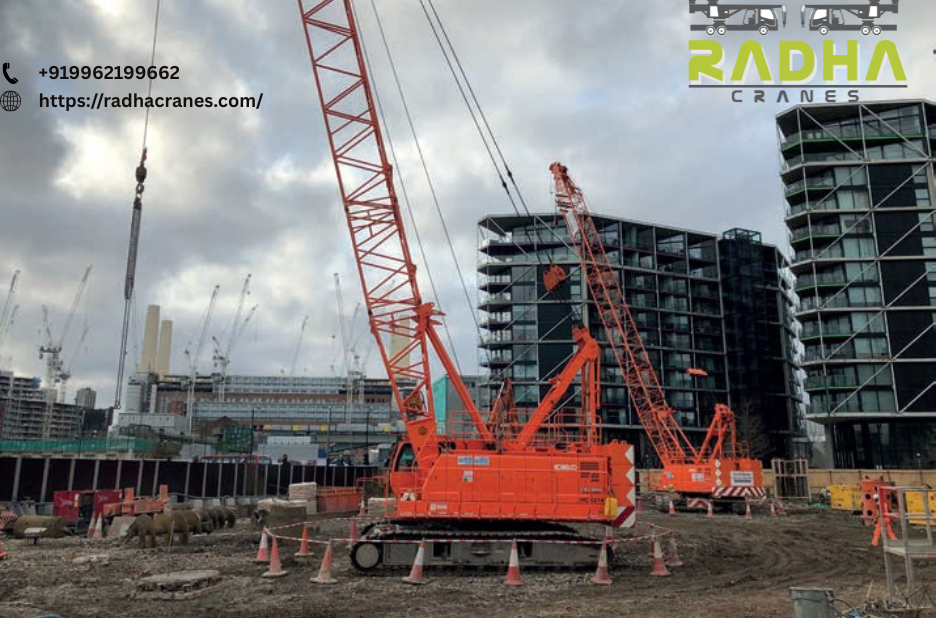
Capabilities and options
When selecting equipment for a project, the choice between heavy lifting power and mobility is crucial. A reliable supplier offers a range of access options, from compact units suitable for tight sites to larger cranes that maximise reach and load capacity. By understanding site constraints, including crawler crane rental ground bearing pressure, overhead obstructions, and weather considerations, you can tailor the selection to your needs. Clear communication about rigging requirements, operator qualifications, and maintenance schedules helps prevent delays and ensures a smoother workflow throughout the project lifecycle.
Site planning and logistics
Successful lifting operations hinge on meticulous planning. Contractors assess access routes, turning circles, lifting points, and crane angles to optimise efficiency while minimising disruption to adjacent trades. A practical plan includes contingency measures for weather shifts, power supply continuity, crane hire and emergency procedures. Coordinating delivery windows with operators and stevedores reduces waiting times and keeps the project on track. Informed teams contribute to safer lifts and improved overall productivity on busy construction sites.
Cost management and procurement
Establishing a predictable budget begins with transparent pricing models and a detailed scope of work. Contractors compare day rates, mobilisation fees, and any ancillary services such as rigging, load testing, or on-site supervision. A well-structured procurement process identifies the most appropriate equipment for the task, balancing upfront costs with long-term efficiency gains. Transparent communication about fuel usage, insurance, and maintenance expectations helps avoid unexpected expenses and supports better financial planning for the project.
Health, safety and compliance
Safety frameworks, including risk assessments and method statements, underpin all lifting activities. Operators must hold valid credentials, and equipment should be inspected and certified before each engagement. Regular safety briefings, lifting plans, and hazard identification contribute to a safer work environment. Compliance with national and local regulations minimises legal exposure and protects the project timeline from avoidable interruptions caused by regulatory issues or on-site incidents.
Operational performance and reliability
Performance metrics focus on downtime, cycle times, and load accuracy to gauge efficiency on site. A dependable supplier maintains equipment readiness, offers timely breakdown support, and provides replacement units if needed to keep operations moving. Regular maintenance, vibration analysis, and hydraulic checks help extend service life and reduce the risk of unplanned outages. By prioritising reliability, teams can meet tight deadlines while maintaining quality standards across lifting operations.
Conclusion
Choosing the right solution for heavy lifting involves balancing capability, cost and safety. When you engage with a trusted provider, you gain access to a broad fleet and expert support that can adapt to evolving site needs, ultimately supporting project success with efficient crane hire arrangements and dependable execution.


