

Why choose epoxy in commercial kitchens
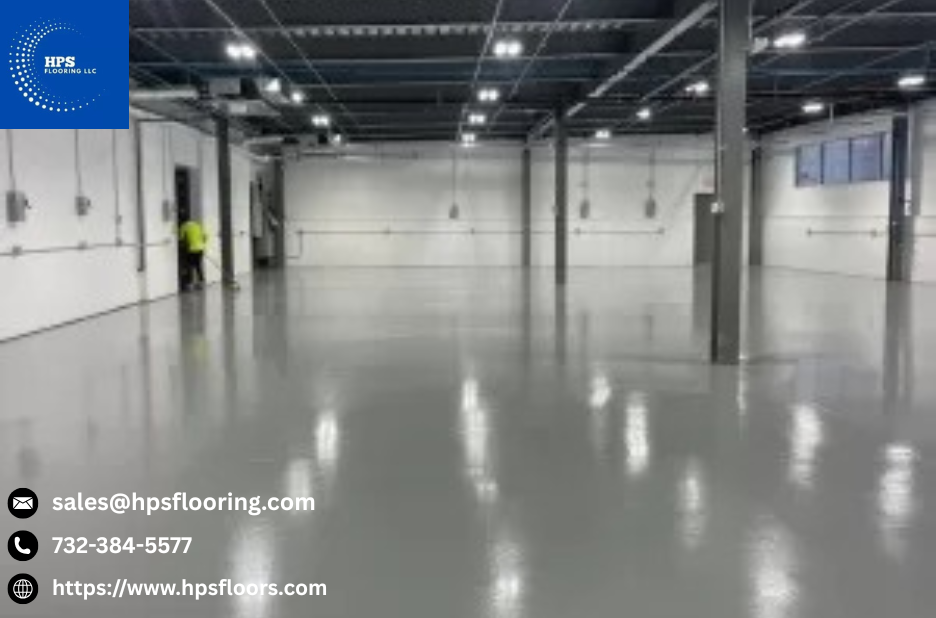
In demanding food service environments, a robust flooring system is essential to maintain safety, hygiene, and efficiency. Epoxy coatings provide a seamless, non-porous surface that resists spills, chemicals, and heavy foot traffic. They help simplify cleaning routines and reduce downtime during maintenance, which translates to better Online Commercial Kitchen Epoxy Flooring Nj operational uptime and compliance with health standards. For facilities managers considering upgrades, epoxy flooring offers a cost effective, long term solution that adapts to evolving kitchen layouts and equipment needs while maintaining a professional appearance that supports brand trust.
Understanding the benefits for different rooms
Mechanical rooms and prep areas subject concrete to moisture, oils, and abrasives that can deteriorate floors over time. Epoxy flooring delivers excellent chemical resistance and abrasion resistance, protecting concrete from wear and staining. In humidity or damp environments, a properly applied system Epoxy Flooring For Mechanical Rooms can also help with slip resistance and temperature tolerance. Selecting the right resin system and surface profile is key to achieving the desired balance of durability, hygiene, and maintenance ease across diverse sections of a facility.
Choosing a system for commercial kitchens
For online orders or consultations, it’s important to assess traffic patterns, anticipated chemical exposures, and the need for temperature resilience. A multi layer epoxy approach — primer, intermediate coat, and topcoat with an appropriate broadcast aggregate — can optimize grip, resilience, and cleanability. Incorporating seamless transitions at joints and around equipment reduces crevices where dirt and bacteria can accumulate. Working with experienced installers ensures the finish is uniform, cure times are respected, and VOC compliance is met for a safe indoor environment.
Maintenance and long term care tips
Maintaining epoxy floors in a commercial setting means establishing routine cleaning, quick spill response, and periodic inspections. Use non abrasive cleaners and avoid harsh solvents that could degrade the surface over time. Address chips or wear through promptly to prevent moisture ingress and to preserve slip resistance. A scheduled reseal or recoat every few years keeps gloss, hardness, and chemical resistance at its peak while extending the life of the concrete substrate beneath.
Selecting a trusted installer in New Jersey
Partner with a local contractor who understands the region’s building codes, climate considerations, and facility requirements. Request case studies or references for epoxy installations in kitchens and mechanical rooms, and verify warranty terms, cure schedules, and surface preparation methods. A knowledgeable team can guide system selection, preparation, and testing to ensure the final result meets hygiene standards and operational needs. This support helps facilities achieve a durable, compliant floor with minimal disruption to daily operations.
Conclusion
Choosing the right epoxy system is a strategic decision for NJ kitchens and mechanical rooms. A well designed installation delivers resilience against chemicals, moisture, and heavy traffic while supporting efficient cleaning protocols and ongoing maintenance planning.


