

Intro to sim setup essentials
For enthusiasts building a capable sim rig, a strong foundation is crucial. A well designed cabinet or stand forms the backbone, supporting wheel bases, pedals, gear shifters, and displays. Materials matter, with steel frames offering durability and wood composites often reducing weight. Consider footprint and room layout early, since the space Sim racing cockpit available will dictate reach, alignment, and comfort during long sessions. Cable management should be planned this early too, preventing tangles that disrupt immersion and maintenance routines. Comfort hinges on seat positioning, angle adjustment, and the ability to stay relaxed during extended races.
How to balance components for realism
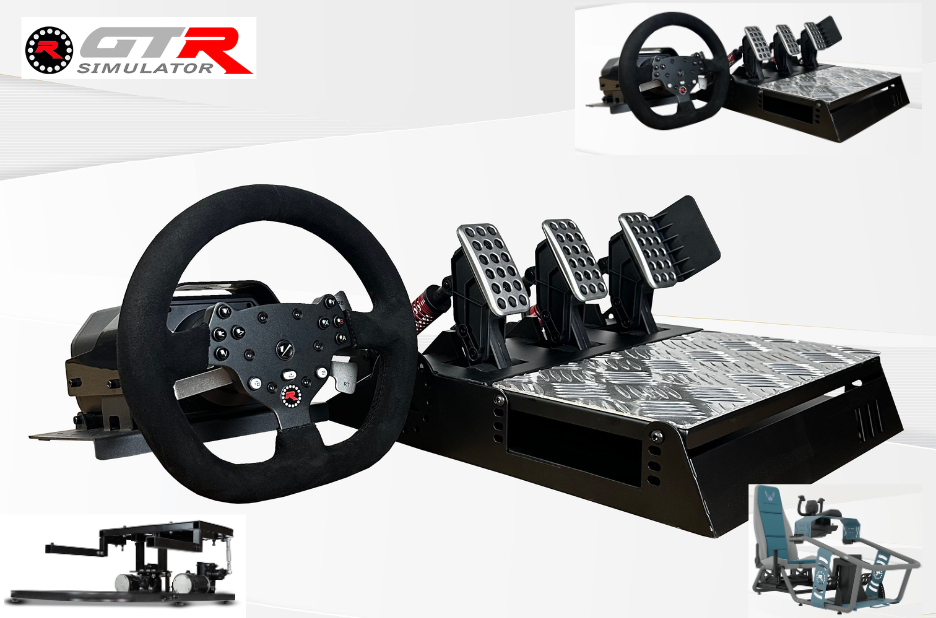
Realism hinges on proper alignment of the steering wheel, pedals, and seat height. A rigid, adjustable mount reduces flex and vibration, allowing precise feedback from the wheel to the hands. Pedal plates should provide secure footing and predictable resistance, with enough clearance for natural leg movement. A well tuned cockpit also respects visual ergonomics: the monitor or VR headset should align with eye level to minimize tire blur and head strain. Small tweaks can yield big gains in confidence and consistency on track days.
Materials and build options to consider
Shop around for frames built from steel, aluminum, or reinforced composites, each offering a different balance of weight and rigidity. Encased cable ducts help keep wires orderly and reduce wear, while a powder coated finish adds resilience against sweat and minor bumps. Seat options vary from bucket styles to automobile replica recreations; the choice affects comfort and visibility of instrument panels. Finally, check compatibility with your current hardware ecosystem, including mounting patterns and adjustability range.
Maintenance tips for long lasting performance
Regular inspection keeps your cockpit functional and safe. Tighten loose bolts, verify pedal alignment, and ensure wheel clamps stay secure after heavy usage. Lubricate moving joints sparingly to preserve smooth action without collecting dust. Clean surfaces to maintain grip on pedals and wheel, and protect upholstery from sweat and oils. Periodic system checks ensure software and hardware interfaces stay synchronized, reducing drift and calibration drift that can degrade immersion during critical moments.
Conclusion
From selecting a sturdy frame to fine tuning seating and alignment, a balanced approach delivers a more believable driving feel. A thoughtful setup reduces fatigue and helps you stay consistent over long sessions. If you’re exploring options and want a clearer sense of what fits, check gtrsimulator.com for similar tools and community insights.


