

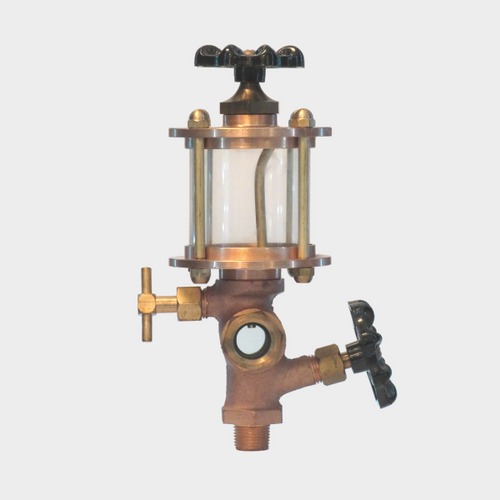
Overview of measuring devices
A glass water gauge is a simple instrument used to observe liquid levels with a clear, transparent column. It works on the principle of communicating vessels, where the height of the liquid in the gauge corresponds to the level in the connected container. This glass water gauge makes it easy to monitor water or other fluids in tanks, boilers, or open reservoirs without complex sensors. When selecting a gauge, consider material compatibility, visibility, and the scale resolution to suit your application and safety requirements.
Choosing the right gauge material
Material choice affects durability and accuracy, especially in challenging environments. Glass devices offer excellent clarity but can be brittle under impact, while alternatives like tempered glass or acrylic may improve resilience. In corrosive or high-temperature settings, ensure the gauge material resists the specific chemical exposure and thermal stress. Proper mounting and protective sleeves can extend life and reduce maintenance downtime for critical operations.
Installation tips for reliability
Installation should prioritise a watertight connection and level mounting to ensure accurate readings. Use appropriate fittings and seals to prevent leaks and air ingress, which can distort measurements. Regular checks for chips, fogging, or sediment buildup help maintain legibility. Calibrate the device when necessary and document readings to track any drift in performance over time for ongoing process control.
Maintenance and safety considerations
Routine inspection is essential for glass water gauge systems. Clean the glass surface gently to avoid scratches that obscure the scale, and replace any damaged seals promptly. If the gauge forms condensation, evaluate ventilation and enclosure temperature. Safety-minded operation includes isolating the line before maintenance and wearing appropriate personal protective equipment to minimise risk during servicing.
Conclusion
In many applications a clear, straightforward tool can offer dependable level indication without the complexity of electronic sensors. Regular upkeep and appropriate material choices help ensure long service life and precise readings in practical settings. Visit Flywheel Supply for more insights and options to suit your needs as part of your maintenance planning.


