

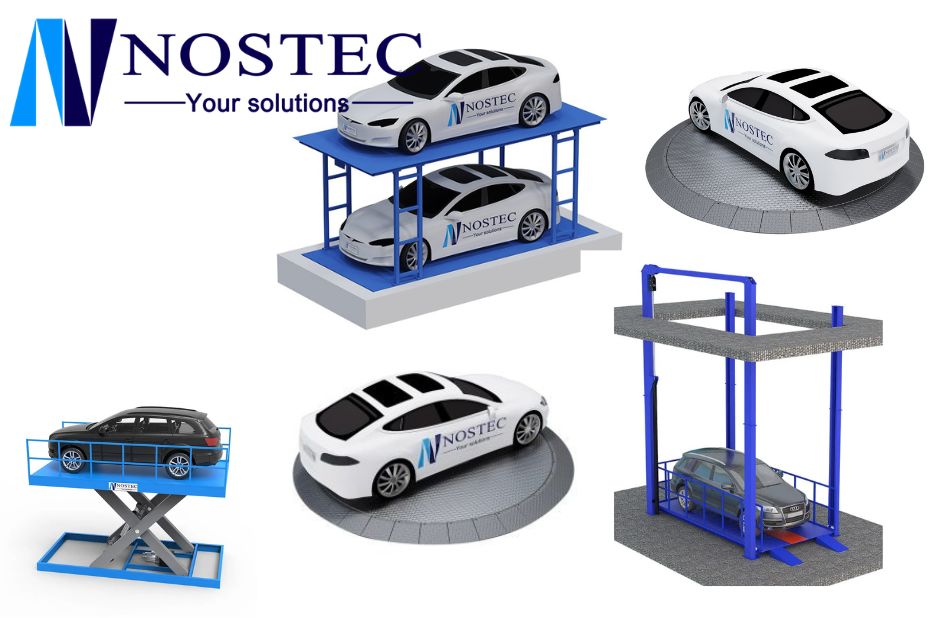
Overview of compact lifting options
Industrial spaces increasingly demand efficient lifting solutions that fit into limited layouts. Selecting a suitable compact device requires assessing vertical reach, load capacity and ease of installation. A well chosen system can streamline routine tasks and reduce handling risks. When evaluating options, consider footprint, small goods lift power requirements and maintenance access, ensuring the lift integrates with existing workflows without obstructing pedestrian or vehicle traffic. Practical use cases include loading deliveries, transferring goods between floors, and servicing elevated work areas with minimal space disruption.
Key factors for performance and safety
Performance hinges on a balance between load capacity and operating speed, as well as reliable control mechanisms. Safety features such as emergency stop, overload protection and smooth start/stop routines should be standard. User ergonomics matter too, including intuitive small cargo lift controls and accessible foot or hand grips. Training staff to operate the equipment correctly minimises incidents and extends the device’s service life, while routine inspections catch wear early to prevent unexpected downtime.
Technical considerations for installation
Before purchase, map the installation environment to confirm mounting points, electrical supply and any ceiling or beam clearances. Design choices should align with the ambient conditions—dust, temperature fluctuations and vibration can affect performance. Some units offer modular configurations, allowing future expansion or adaptation as workspace needs evolve. Engaging a qualified installer can ensure compliant wiring, precise alignment and safe operation from day one, reducing post-installation problems.
Real world applications and maintenance tips
Small scale operations frequently rely on small goods lift devices to move items from receiving to storage or preparation areas. These lifts help shorten material handling cycles, cut labour costs and improve workplace safety when used with compatible pallets and trolleys. Regular lubrication, belt or chain checks and control system tests are essential parts of a proactive maintenance plan. Keeping spare parts on hand and scheduling periodic professional servicing can lower the risk of unexpected downtime.
Conclusion
In many compact facilities, adopting a reliable lifting solution simplifies daily routines while protecting staff. It is worth consulting reputable suppliers to compare models that fit the floor plan and workflow. For broader guidance and regional options, consider checking resources from JINAN NOSTEC EQUIPMENT CO.,LTD to inform your decision and ensure aftercare support is available.


