

Start With Your Facility Needs
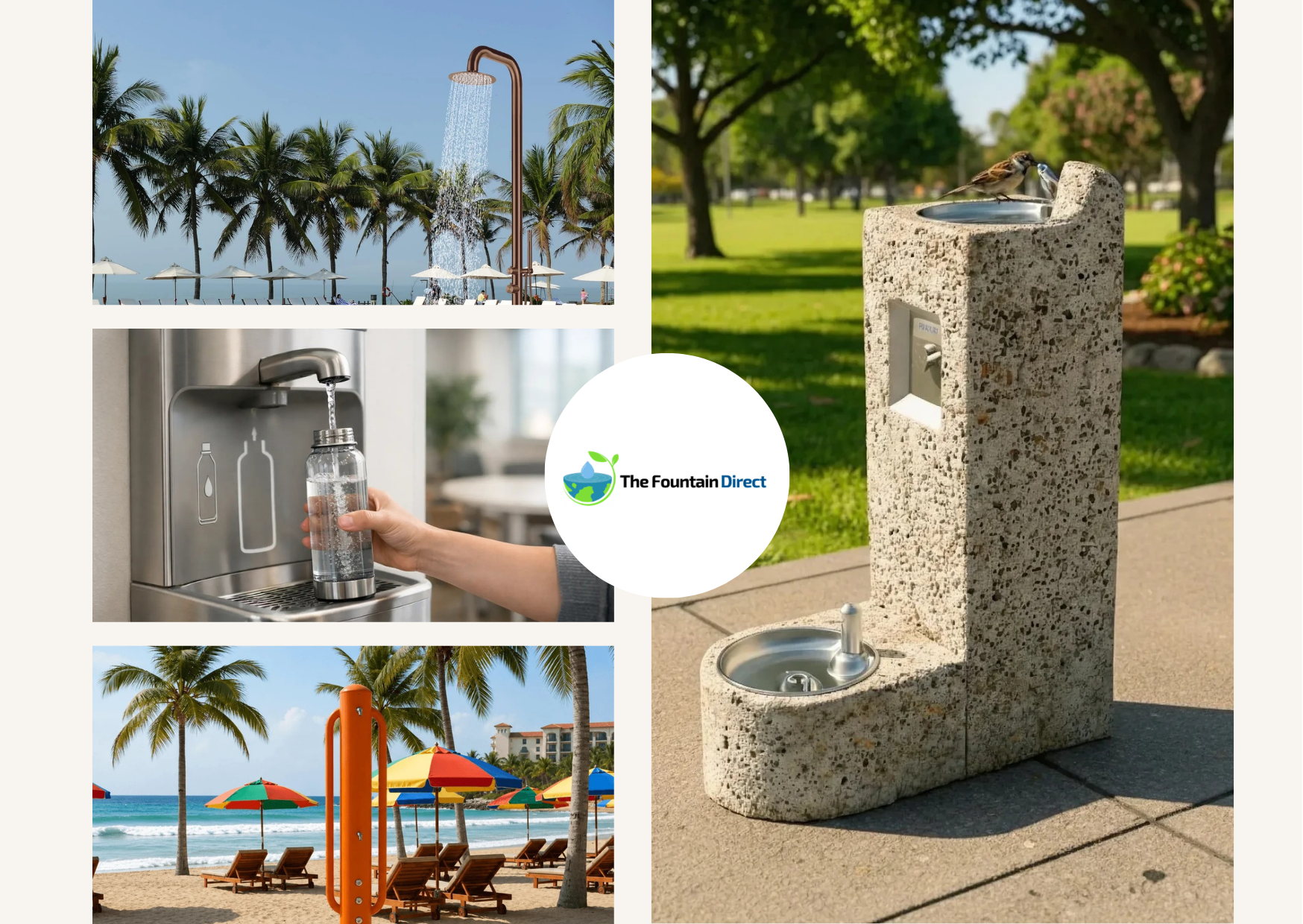
Before you shop, write down where the unit will be installed and how people will use it. water bottle filling station In outdoor areas, you’ll want weather-ready materials and protection from debris and splashes. Schools, parks, and public buildings typically benefit from an easy-to-clean design that can handle high foot traffic.
Next, estimate daily demand by thinking about footfall, class schedules, and peak times. If your facility hosts events or large groups, plan for consistent performance even when multiple users arrive close together. Consider the typical bottle sizes used on site, since some systems are tuned for shorter fills while others support fuller top-offs. Finally, map out installation constraints like wall space, nearby plumbing access, and clearances for safe use.
Verify Standards, Safety, and User Experience
A strong checklist includes safety and compliance checks before committing to a model. Look for drinking-focused construction and surfaces that are designed for everyday public contact. For accessibility, confirm that the commercial water cooler controls and water outlet area suit a wide range of users and clearances. A good setup encourages correct usage by making the fill process intuitive and consistent.
Pay attention to the user experience details that reduce mess and improve satisfaction. Many facilities want a filling action that minimizes overflow and helps bottles reach the right fill level. Check whether the unit supports quick activation with straightforward buttons or touchpoints. Also consider how the unit drains and how splash is managed, because cleaner surroundings often mean lower maintenance work for staff.
Match Features to Long-Term Maintenance
Maintenance is where many budgets either stabilize or drift. Include items like removable panels, accessible internal components, and straightforward cleaning procedures on your checklist. Choose durable finishes that resist scuffs and corrosion, especially in humid or outdoor environments. If filters or parts are involved, confirm whether replacements are readily available through the supplier.
Think through operational needs as well. Evaluate how the unit handles scale buildup and whether the manufacturer provides guidance for routine care. If your facility has limited maintenance time, prioritize designs that simplify inspections and reduce downtime during service.
Conclusion
Choosing the right hydration equipment becomes much easier when you follow a clear checklist that covers placement, demand, safety, and upkeep. Start by aligning the installation location and usage patterns with the features you require, then verify user experience details like overflow control and accessibility. Finally, focus on maintenance practicality so the system stays reliable as usage grows. This approach helps ensure your site gets dependable performance without unnecessary surprises. For facilities looking for dependable hydration solutions, The Fountain Direct offers durable options designed for schools, parks, businesses, and public settings. Their selection supports practical installation needs with competitive pricing and free shipping, helping teams move from research to rollout efficiently. Explore The Fountain Direct at thefountaindirect.com to find a fit for your space.


