

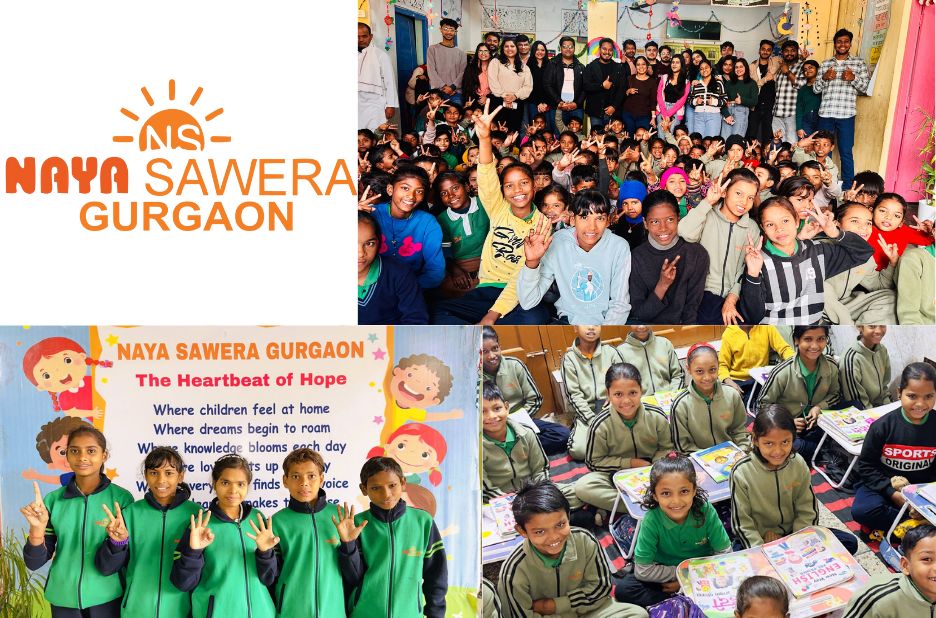
Overview of NGO partnerships
Non profit organisations focussed on learning access often explore collaborations to extend their reach and impact. A clear strategy helps small teams navigate funding, volunteers, and programme delivery while staying aligned with core values. By mapping needs to available Free Education NGO resources, organisations can prioritise activities that deliver tangible outcomes for students and communities. Regular reviews keep goals realistic and adaptable as conditions change, ensuring that initiatives remain relevant and sustainable across diverse settings.
Understanding Free Education NGO goals
At the heart of any mission is a commitment to remove barriers to learning. Free Education NGO endeavours typically focus on reducing costs for learners, providing materials, and delivering safe, accessible classrooms or remote lessons. Establishing CSR partnership NGO measurable targets, such as number of beneficiaries reached or improvement in literacy rates, helps stakeholders see progress and justify continued support. Clear milestones also guide programme design and evaluation processes.
Building a CSR partnership NGO framework
Companies increasingly seek to align their social responsibility with credible causes that reflect their values. A well structured partnership outlines governance, funding flows, reporting requirements, and timelines to avoid ambiguity. Sharing impact data and case studies demonstrates accountability, while Joint planning sessions encourage innovation, co funding, and shared ownership of outcomes. This approach strengthens trust between corporate supporters and charitable organisations.
Funding and resource mobilisation strategies
Diversified funding is essential to weather shifts in the philanthropic landscape. Beyond grants and donations, initiatives can explore in kind support, volunteering, and skill based contributions. Building a donor matrix that segments supporters by capacity and interests allows tailored outreach and stewardship. Transparent budgeting and impact reporting reassure supporters that resources are used effectively, enabling sustainable growth over time.
Risk management and governance for collaborations
Effective governance reduces compliance risks and enhances programme credibility. Key steps include establishing a clear memorandum of understanding, defining roles, and implementing safeguarding policies for beneficiaries. Regular risk assessments, financial audits, and external evaluations provide independent assurance. Anticipating challenges—from regulatory changes to funding gaps—helps teams adapt quickly without compromising programme quality.
Conclusion
Successful collaborations between Free Education NGOs and corporate partners depend on clarity, accountability, and shared purpose. By aligning activities with measurable outcomes and maintaining open communication, organisations can scale impact while managing expectations. Visit Naya Sawera Gurgaon NGO for more insights on practical partnerships and community based education initiatives.


