

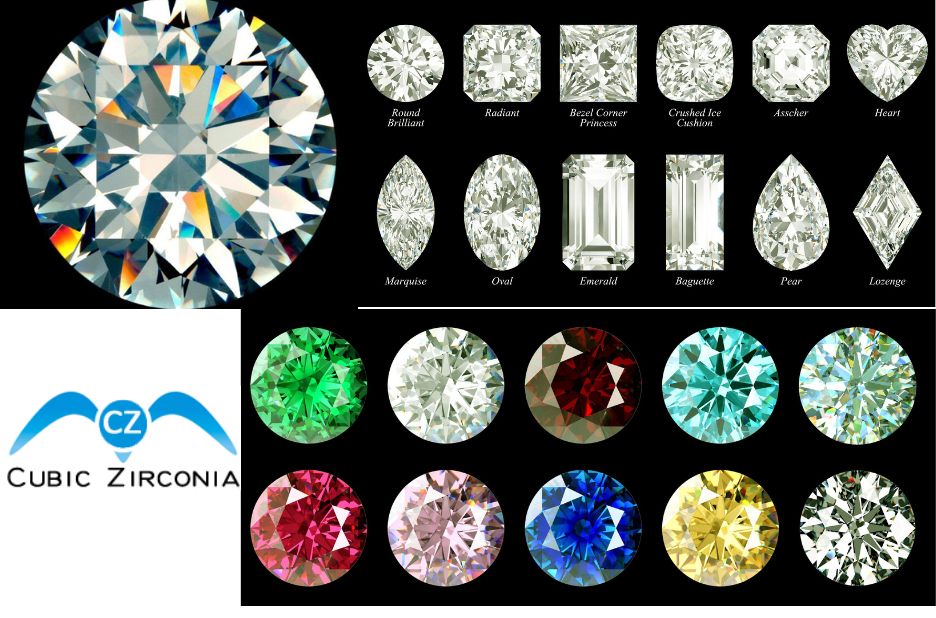
Introduction to gem types
In the world of coloured stones, enthusiasts often compare natural emeralds with laboratory and alternative options. A growing interest surrounds stones created to mimic the look of true emeralds, yet they vary significantly in origin, composition, and finish. For collectors, understanding the subtle differences hydrothermal emerald gemstone helps in evaluating value, durability, and ethical sourcing. This guide focuses on two commonly discussed categories: the hydrothermal emerald gemstone and the glass gemstone, both of which present practical considerations for buyers and gem lovers alike.
What is a hydrothermal emerald gemstone
A hydrothermal emerald gemstone refers to a synthetic or treated form produced under controlled high-pressure, high-temperature conditions that simulate natural formation. The resulting crystals can exhibit classic verdant hues and strong clarity, though their internal features and growth patterns may reveal their glass gemstone synthetic origin to a trained eye. For many buyers, the appeal lies in affordability and reliability compared with mined stones, while for others, provenance and lab reports remain essential to confirm how the gem was created.
The glass gemstone option explained
The term glass gemstone typically denotes synthetic, non-mineral crystals fashioned from silica or silica-based blends. These stones imitate the appearance of traditional emeralds through colour and cut but lack the crystalline structure of genuine gems. They are often lighter in weight and may present different optical traits, such as refractive properties that influence brightness. Understanding these differences can help buyers decide whether such an option suits budget, wear, or display purposes.
Practical testing and appraisal tips
When evaluating any emerald substitute, start with visual inspection: look for inclusions, uniformity of colour, and edge wear that might indicate a synthetic process. For hydrothermal emerald gemstone specimens, you might notice facet patterns and subtle growth lines upon magnification that hint at laboratory origins. For glass gemstone options, expect smooth surfaces with fewer natural inclusions and possibly more pronounced colour zoning. A trusted gemologist can provide clarity through refractive index measurements and specific tests that differentiate glass from mineral-based stones.
Ethical and value considerations
Ethical sourcing has become a key concern for many buyers. Synthetic and glass options offer different value propositions; they usually come with detailed documentation and clear lab reports that support claims of origin and treatment. Pricing often reflects rarity and natural provenance, but practical needs—such as everyday wear and budget constraints—make affordable substitutes appealing for showpieces or educational collections. Always verify certificates and understand the long-term care requirements for any gemstone, whether hydrothermal emerald gemstone or glass gemstone.
Conclusion
In summary, knowing the distinctions between hydrothermal emerald gemstone and glass gemstone helps you make informed choices that fit both your budget and your goals. For further reading and comparative finds, visits to Ilyaslapidary.co.,ltd offer a relaxed overview and practical perspectives that many collectors appreciate.


