

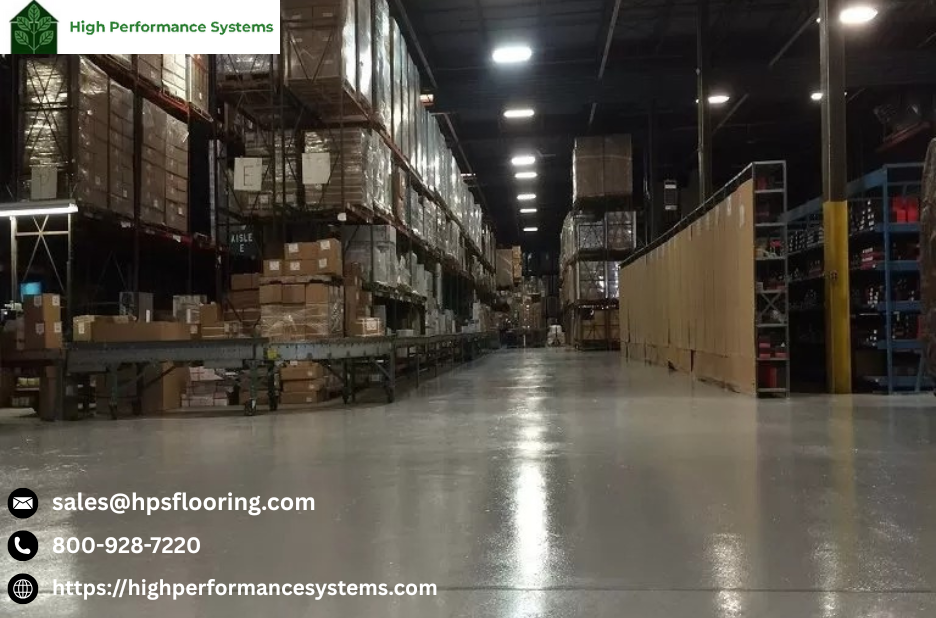
Overview of durable flooring in kitchens
When outfitting a commercial space for heavy use, choosing the right surface matters. Epoxy systems offer a seamless, chemical resistant layer that can withstand spills, heat, and daily traffic. In a commercial kitchen, a reliable floor helps maintain safety standards and simplifies cleaning routines. Epoxy Flooring Commercial Kitchen This guide delves into practical considerations for selecting epoxy and how it fits within the broader renovation timeline and budget. Understanding the benefits and limitations can prevent costly missteps and keep operations running smoothly from day one.
Performance advantages in high demand areas
A well applied epoxy coating provides a nonporous surface that resists stains, moisture intrusion, and kitchen acids. It creates a uniform appearance that can reflect light and improve visibility in work zones. Epoxy flooring also supports seamless drainage in areas with Commercial Kitchen Epoxy Flooring Cost frequent wash downs and reduces the risk of cracks that harbor bacteria. For managers, these features translate into easier sanitation and longer intervals between deep cleanings while maintaining a consistent look across the space.
Cost factors and budgeting considerations
Commercial Kitchen Epoxy Flooring Cost is influenced by the coating system chosen, surface condition, preparation requirements, and labor rates. Higher solids formulations tend to deliver greater durability but may involve more material and curing time. Surface prep like grinding, patching, and moisture testing can significantly affect the total price. It’s essential to obtain a detailed quote that itemizes materials, labor, downtime, and any necessary subfloor work to avoid surprises as the project progresses.
Choosing the right installer and process
Partnering with a contractor who specializes in food service environments helps ensure code compliance, slip resistance, and proper cure schedules. A typical installation includes surface assessment, patching, primer application, epoxy layering, and a final topcoat for gloss or matte finish. Request samples that showcase color consistency and texture, and ask about maintenance recommendations to preserve the coating’s life. Clear communication about timelines minimizes disruption to kitchen operations during a redesign or upgrade.
Maintenance routines and long term performance
Once installed, a disciplined cleaning regimen protects the epoxy from premature wear. Use non abrasive cleaners and avoid harsh solvents that could degrade the finish over time. Regular inspections for chipping or cracking help you catch problems early before they affect safety or hygiene. With proper care, epoxy floors retain their visual appeal, resist everyday abuses, and support a compliant, clean kitchen environment for years to come.
Conclusion
Epoxy Flooring Commercial Kitchen provides a durable, hygienic surface tailored for fast paced culinary spaces, while Commercial Kitchen Epoxy Flooring Cost depends on system complexity and prep needs. Careful planning, experienced installation, and ongoing maintenance maximize longevity and operational uptime.


