

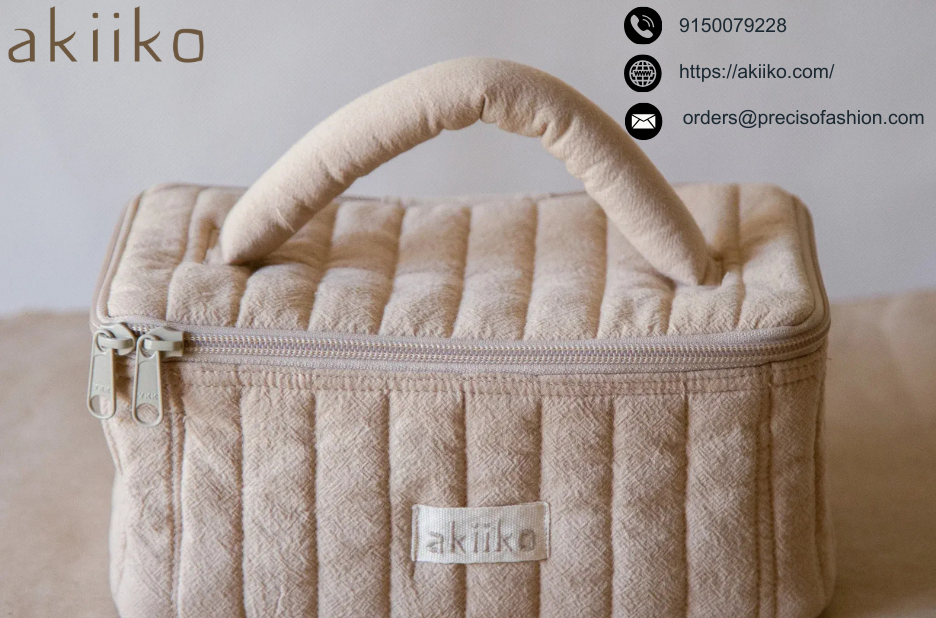
Choosing the right organizer
When shopping for a compact option to keep supplies ready to grab, consider size, material, and zipper quality. A durable textile exterior can resist wear from daily use, while a soft interior protects delicate items like pencils and erasers. Look for a simple opening that allows quick access to contents and Stationery pouch a lightweight build that fits easily into a bag or tote. For travelers or students, a form that clamps shut without snagging fabric helps maintain a neat desk or backpack. This approach makes it simpler to transition between home and on the move.
Designs that maximize capacity
Organizers with multiple pockets and compartments enable you to separate essential tools. A central sleeve can hold longer items, while smaller pouches keep staples organized. Elastic loops secure pens and markers, reducing the chance of spills or Mini bags clutter. Consider models with a removable divider to reconfigure the space for different tasks, whether you’re drafting notes, sketching, or managing paperwork. A balanced layout aids quick retrieval during busy days.
Materials and care tips
Fabrics range from lightweight nylon to sturdy canvas, each offering distinct benefits. Nylon resists moisture and cleans easily, while canvas delivers a more premium feel and greater shape retention. Exterior trims like zippers should be metal or reinforced plastic to withstand frequent use. Cleaning is typically simple: spot clean stains and air dry to prevent mildew. Avoid overpacking to preserve the pouch’s structure, which helps retain form and accessibility over time.
Practical uses in daily routines
For students, a compact pouch fits into backpacks between classes, keeping writing instruments and small highlighters organized. Professionals may prefer a sleek option that slides into a briefcase or messenger bag, granting quick access during meetings. Home organizers benefit from a tidy space on a desk or study surface, where essential tools stay within reach. Whether you’re preparing for exams or planning creative sessions, a thoughtful setup can streamline your workflow.
Choosing the right size for your needs
Size selection matters for both portability and capacity. A smaller model suits quick trips and handbags, while a larger variant can house a broader kit, from scissors to crafting items. Consider how you typically use the item and what you want to carry alongside it. If you often pair it with other organizers, a neutral color or slim profile helps it blend with various bags. This mindful approach leads to a practical, reliable helper for daily tasks.
Conclusion
To summarize, selecting a dependable organizer hinges on durability, layout, and ease of maintenance. Ensure the product accommodates your most-used tools without becoming bulky, and verify that cleaning and care align with your expectations. A well-chosen pouch can reduce clutter, improve efficiency, and accompany you through studies, work, and home projects. Stationery pouch


