

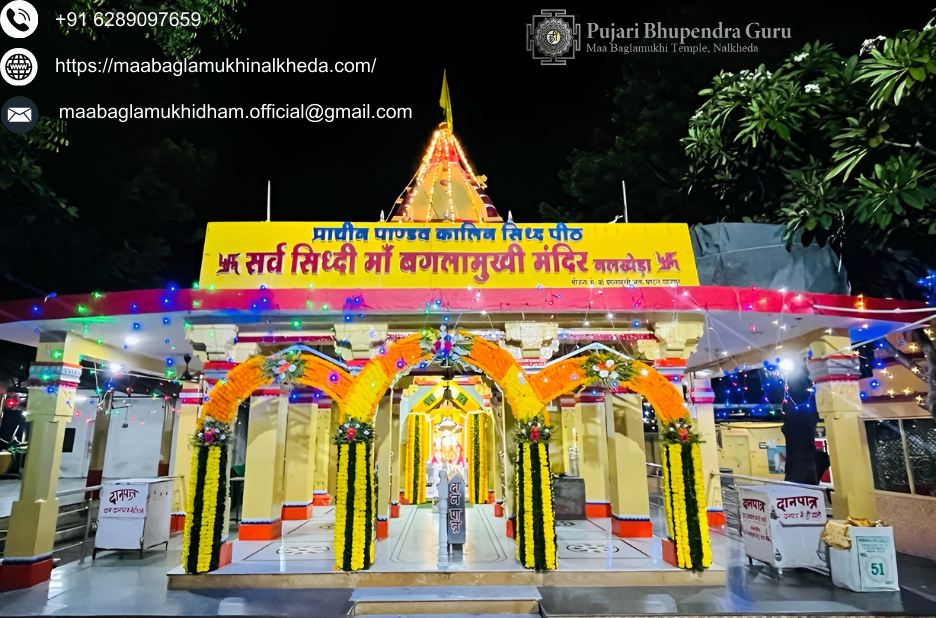
Overview of sacred rituals
In Nalkheda, devotees seek spiritual clarity through traditional rites that connect inner resolve with divine blessings. These practices emphasize discipline, reverence, and precise recitation, allowing practitioners to experience a sense of focus and protection. By aligning daily routines with seasonal timings or temple schedules, worshippers cultivate consistency Baglamukhi Temple Hawan in Nalkheda and a calm mind. The atmosphere is quiet, respectful, and conducive to reflection, where personal intentions meet the guidance of seasoned priests who uphold their lineage. This section sets the stage for meaningful participation within a supportive community setting.
Preparation and etiquette for visitors
Before participating, visitors are encouraged to observe modest attire, remove footwear, and maintain a respectful demeanor. Quiet conversation, minimal movements, and punctual arrival help maintain the sanctity of the space. Guidance from temple volunteers often includes Baglamukhi Jaap in Nalkheda how to approach the sacred space, where to sit, and how to handle offerings. By following these practices, attendees contribute to a harmonious environment that honors tradition while welcoming sincere seekers.
Benefits reported by practitioners
Participants commonly report a heightened sense of focus, relief from scattered thoughts, and a renewed sense of confidence after engaging in ritual proceedings. The structured format provides a reliable framework for personal intention setting, which many find useful for managing stress and improving concentration. While experiences vary, the act of regular practice is widely associated with greater mental clarity and emotional balance in everyday life.
Local myth and temple heritage
Nalkheda is known for its rich histories and community ties to regional spiritual practices. The temple complex acts as a gathering point where locals share stories, music, and dialogue about devotion. The heritage reflects a blend of folklore and inherited ritual knowledge, preserving techniques and chants that have been passed down through generations. Visitors gain insight into how sacred spaces sustain cultural memory and communal identity.
Practical tips for mindful participation
Engaging Mindfully involves setting a clear intention, listening closely to pronunciations, and taking time for silent reflection after each rite. Keep track of timings for any guided sessions or jatras, and consider journaling impressions to deepen growth. For those exploring specific mantras, practice consistency over intensity, gradually increasing duration as comfort grows. This mindful approach helps practitioners integrate spiritual experiences with daily life and personal development.
Conclusion
Concluding thoughts invite continued commitment to personal growth through steady, respectful practice. By observing etiquette, adhering to local guidelines, and honoring the tradition, seekers can cultivate resilience, inner peace, and a supportive sense of community that extends beyond the temple walls.


