

Hidden Dangers Reveal Themselves After Water Lapses
After a flood, the first hours are full of strange smells and damp air. The walls soften at the edges, a chalky film forms on paint, and personal items cling with a sour residue. Fire and water damage restoration crews move with careful cadence—pumping out standing water, then testing for unseen moisture behind plaster. They fire and water damage restoration map the noise of dripping in the attic, the echo of a sump pump in the basement, and the cold bite of concrete hidden under flooring. Every move aims to stop mould from taking hold before it steals another breath of air from the home.
Speaking In Numbers: Assessing The Baseline Of Loss
A solid estimate starts with a walk-through that greets the site with honesty. Visible stains tell part of the story, but moisture meters reveal the quiet travel of water through joists and studs. The focus is sharp: what needs drying now, what can wait, and what must be removed to property damage restoration prevent future issues. The same care applies to teams, who weigh structural integrity, electrical safety, and the potential for hidden damage. Clarity at this stage saves weeks later and keeps families from leaping into costly repairs.
Containment That Keeps Contamination Low
Effective containment protects untouched rooms, their contents, and the next stages of work. Heavy plastic sheeting, air movers, and negative pressure machines form a quiet shield around the affected zone. The goal is to cut off odours, airborne spores, and dust that could travel through gaps in doors or vents. In real life this means tidy, purposeful work—no hasty moves, just a steady rhythm that reduces risk while crews dismantle unsalvageable materials and set the stage for a safe restoration process.
Drying Strategies That Bring Humidity Down Fast
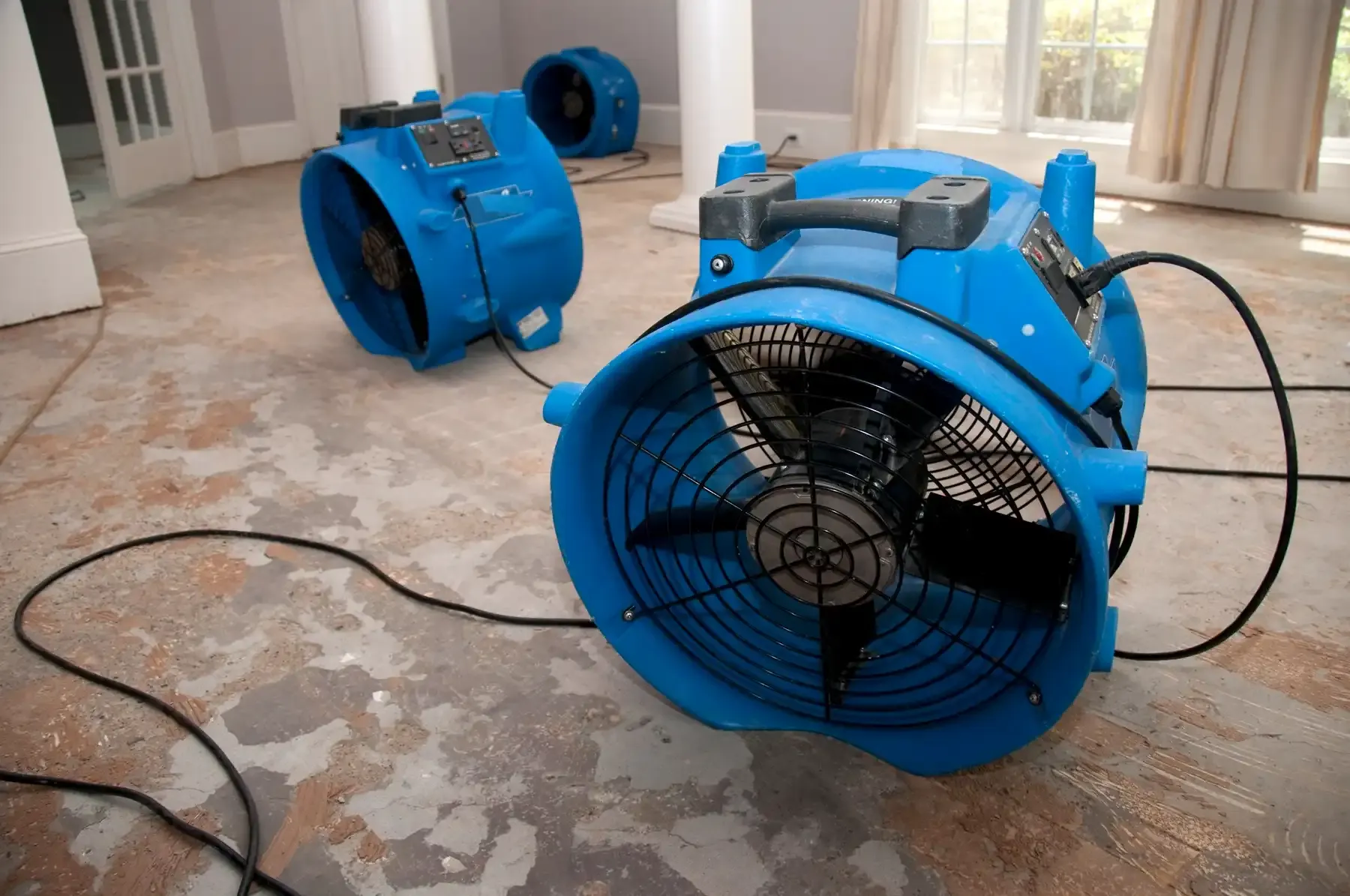
Drying is a mix of science and persistence. Industrial dehumidifiers pull moisture from walls, ceilings, and floors, while heat may be used judiciously to accelerate evaporation without cracking paint or warping trim. The approach shifts with room layout: open spaces dry differently from cramped closets, crawl spaces, or basements where damp air hides behind a wall. Each adjustment aims to revive the home’s fabric, staying mindful of wood, drywall, and insulation that tell the tale of water’s visit long after the water is gone.
Mitigation And Restoration: Repair With A Plan
Mitigation’s job is to stop further harm, and restoration brings life back to a home. Filtration helps clear stubborn odours, and antimicrobial treatments guard against lingerings of mould. When fire and water damage restoration teams walk through the door, they bring a clear plan: what’s salvageable, what’s replaced, and how to finish with lasting safety. The work touches every room, from the kitchen to the back porch, turning a scene of loss into a scheduled path forward and carving out a new, secure home environment.
Conclusion
In the wake of flooding, smoke, or structural damp, a well-coordinated response makes the difference between months of disruption and a fresh start. The best teams apply a steady mix of rapid action and careful planning, guiding homeowners through every decision with practical advice and transparent timelines. Their work covers containment, drying, and the careful rebuilding of spaces that mattered most, restoring not just rooms but the sense of safety and normalcy at home. For those facing the aftermath, trusted partners at 24serv.com offer tested methods, clear communication, and a path back to comfort with decisions that stand up to future tests.


