

Rethinking recovery with a hands-on plan A customized injury rehab exercise program emerges when goals are clear, pain is mapped, and daily moves are stitched into the rhythm of life. Injury stories vary, but the aim stays fixed: regain function without flare-ups. The best plans start with a simple intake—what hurts, where, when it hurts most, and what daily tasks get blocked. From there, a coach designs a plan that fits the body, not a generic sheet. The goal is not to rush the process but to build steady momentum through precise movements, measured progress, and steady accountability. Foundations that prevent flare-ups and speed progress With a Customized injury rehab exercise program, routine builds a shield around vulnerable spots. Focus shifts to small, repeatable wins that compound. Strength, mobility, and endurance blend as the patient learns how tissues respond to load. Practical cues—breathing, alignment, tempo—keep sessions efficient. Each week adds a tiny challenge, ensuring gains stay durable. The approach respects limits, yet nudges past them with steady, safe steps. Movement that respects the body’s signals Learning to read pain and performance guides the path forward. The plan centers on intentional, low-risk moves that restore range and reduce guarding. When pain lingers, the approach adapts, swapping in supportive patterns and gentle loading. The result is a more resilient spine, joints, and muscles. For athletes and desk workers alike, even subtle changes—from how one sits to how stairs are tackled—matter. FAKTR therapy for muscle pain relief as a catalyst FAKTR therapy for muscle pain relief becomes a powerful tool in the kit, easing deep tension that limits progress. This technique focuses on fascia and soft tissue, encouraging free glide and improved blood flow. Sessions are pragmatic, short, and targeted, often sparking relief where standard stretches stall. When combined with a tailored rehab plan, FAKTR helps rebuild confidence in movement and lowers the fear of re injuring a sore area. It’s not a magic fix, but a practical accelerant. Tools and checklists for steady, measurable gains A robust program lists essentials without overwhelming. Accessible tools—bands, light dumbbells, a foam roller—enable daily practice at home. The plan translates into a short routine: warm-up, load, cooldown, and a quick return-to-activity check. Aiming for consistency beats short, hard bursts. Track progress in a simple log: pain level, range, and function in real tasks. This clarity turns workouts into a reliable habit rather than a grind. Real-world paths from clinic to everyday life In clinics, clients see how a Customized injury rehab exercise program reshapes daily routines. The shift is practical: stairs feel steadier, office chairs no longer spit pain, and evenings after chores close with better posture. People discover that small repeats of thoughtful moves unlock big changes. As days turn to weeks, confidence grows and setbacks shrink. The true win is not a perfect week, but a series of better days what add up to lasting change. Conclusion Each patient walks away with a concrete map: a clear set of exercises, pacing rules, and a plan to monitor progress. The aim is not a quick fix but a durable change you can feel in daily life. The Customized injury rehab exercise program helps move pain
A customized injury rehab exercise program emerges when goals are clear, pain is mapped, and daily moves are stitched into the rhythm of life. Injury stories vary, but the aim stays fixed: regain function without flare-ups. The best plans start with a simple intake—what hurts, where, when it hurts most, and what daily tasks get blocked. From there, a coach designs a plan that fits the body, not a generic sheet. The goal is not to rush the process but to build steady momentum through precise movements, measured progress, and steady accountability.
Foundations that prevent flare-ups and speed progress
With a Customized injury rehab exercise program, routine builds a shield around vulnerable spots. Focus shifts to small, repeatable wins that compound. Strength, mobility, and endurance blend as the patient learns how tissues respond to load. Practical cues—breathing, alignment, tempo—keep sessions efficient. Each week adds a tiny challenge, ensuring gains stay durable. The approach respects limits, yet nudges past them with steady, safe steps.
Movement that respects the body’s signals
Learning to read pain and performance guides the path forward. The plan centers on intentional, low-risk moves that restore range and reduce guarding. When pain lingers, the approach adapts, swapping in supportive patterns and gentle loading. The result is a more resilient spine, joints, and muscles. For athletes and desk workers alike, even subtle changes—from how one sits to how stairs are tackled—matter.
FAKTR therapy for muscle pain relief as a catalyst
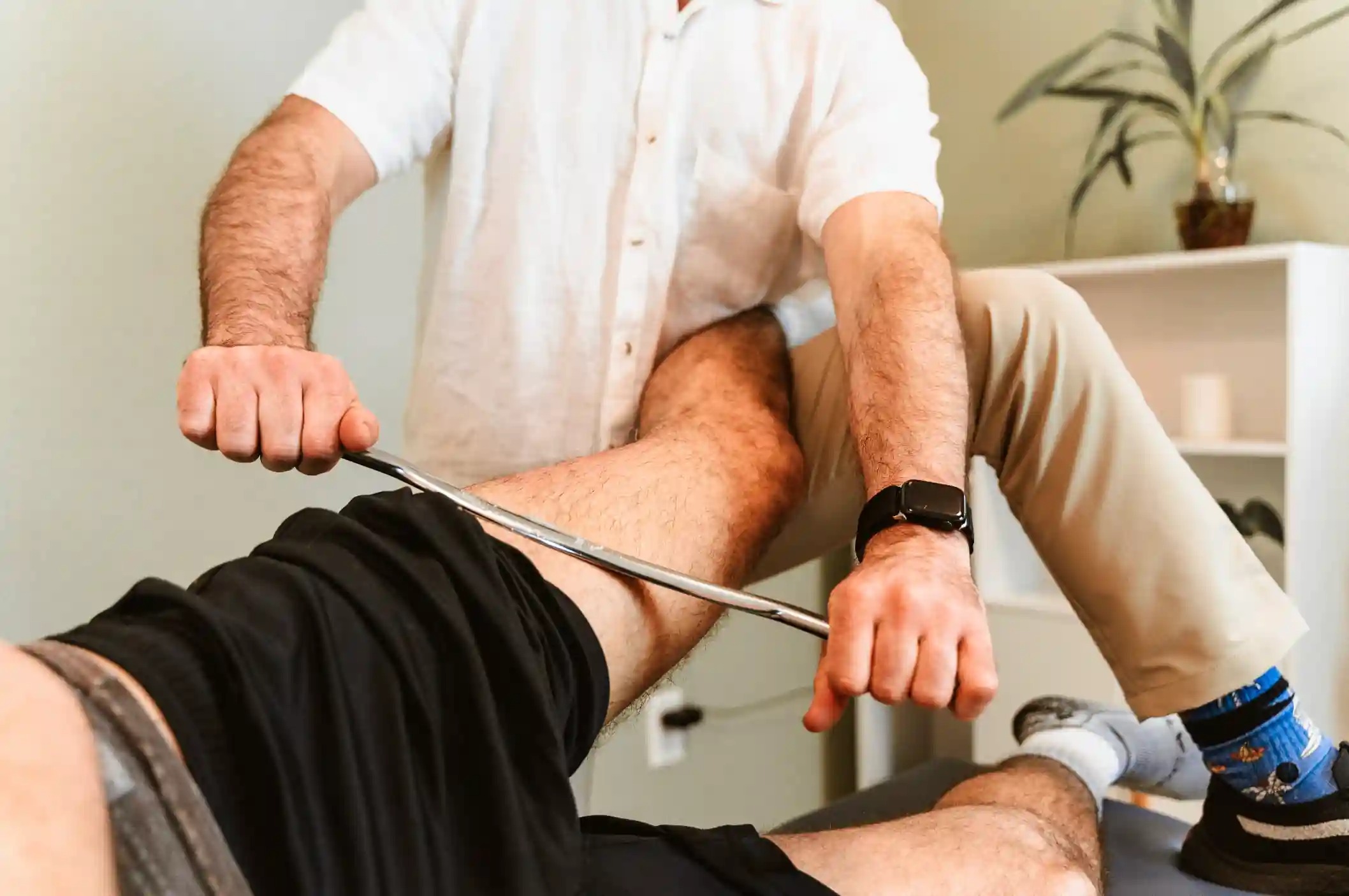
FAKTR therapy for muscle pain relief becomes a powerful tool in the kit, easing deep tension that limits progress. This technique focuses on fascia and soft tissue, encouraging free glide and improved blood flow. Sessions are pragmatic, short, and targeted, often sparking relief where standard stretches stall. When combined with a tailored rehab plan, FAKTR helps rebuild confidence in movement and lowers the fear of re injuring a sore area. It’s not a magic fix, but a practical accelerant.
Tools and checklists for steady, measurable gains
A robust program lists essentials without overwhelming. Accessible tools—bands, light dumbbells, a foam roller—enable daily practice at home. The plan translates into a short routine: warm-up, load, cooldown, and a quick return-to-activity check. Aiming for consistency beats short, hard bursts. Track progress in a simple log: pain level, range, and function in real tasks. This clarity turns workouts into a reliable habit rather than a grind.
Real-world paths from clinic to everyday life
In clinics, clients see how a Customized injury rehab exercise program reshapes daily routines. The shift is practical: stairs feel steadier, office chairs no longer spit pain, and evenings after chores close with better posture. People discover that small repeats of thoughtful moves unlock big changes. As days turn to weeks, confidence grows and setbacks shrink. The true win is not a perfect week, but a series of better days what add up to lasting change.
Conclusion
Each patient walks away with a concrete map: a clear set of exercises, pacing rules, and a plan to monitor progress. The aim is not a quick fix but a durable change you can feel in daily life. The Customized injury rehab exercise FAKTR therapy for muscle pain relief program helps move pain away from routine tasks and toward confident activities. With steady practice, joints loosen, strength returns, and stamina rises. The journey is personal, guided by careful checks and practical tweaks, and it leaves room for life’s curveballs without losing momentum. thechiropractorr.com


