

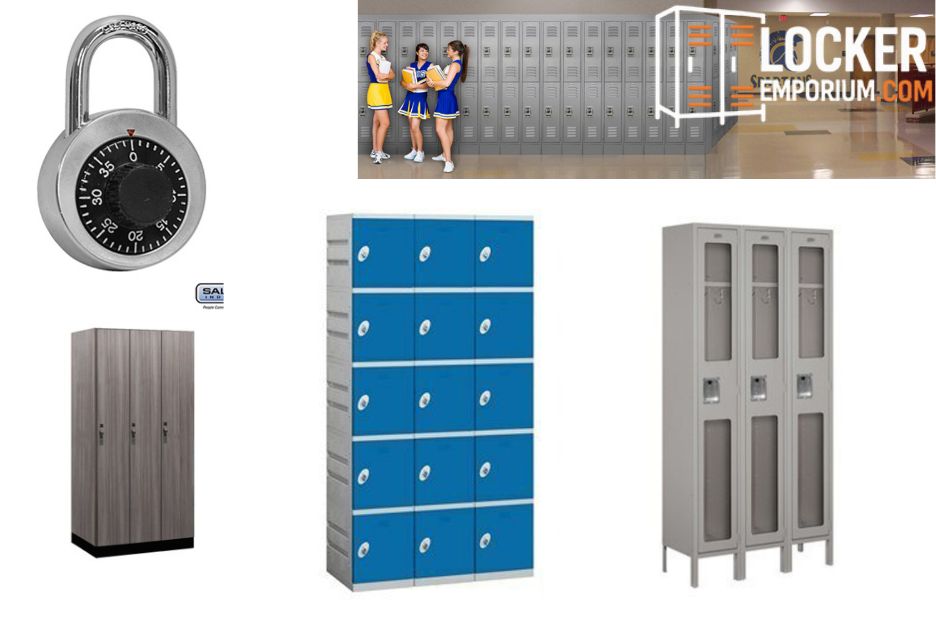
Purpose built locker systems
For fitness centres and workspaces, choosing the right storage is essential to keep equipment secure and spaces tidy. Ventilated solutions promote airflow, reducing odours and moisture build up in busy changing areas. When selecting lockers, consider materials, ventilation features and the ease of maintenance. ventilated gym lockers A balanced approach helps staff and members feel confident about personal belongings while keeping corridors clear and safe. Think about stackable or modular options that can adapt to evolving room layouts without compromising security or usability.
Material and construction choices
Durability is the cornerstone of long lasting lockers. Military metal lockers offer strength and resistance to daily wear, with reinforced doors and robust locking mechanisms. For environments with high traffic, look for corrosion resistant coatings and powder finishes that withstand military metal lockers humidity and cleaning regimes. The right construction not only supports a busy facility but also minimises replacement costs by delivering reliable performance over time while remaining easy to clean and sanitise between users.
Ventilation features and practicality
Ventilated gym lockers incorporate perforated doors or side panels to promote air movement around stored gear. This reduces dampness and helps keep clothing and towels fresher between users. In busy gyms and sport centres, consider locking options that are secure yet straightforward to operate for both staff and members. Adequate ventilation complements design and enables quick inspection of contents for misplaced items, contributing to smoother daily operations.
Security and user experience
Security matters in any storage area, and lockers should combine reliable locking with intuitive access. Choose models with shrouded hasps, sturdy hinges and tamper resistant finishes. Easy to use administration features, such as multiple user codes or integrated management systems, help staff track usage without creating bottlenecks at peak times. A clean, well organised locker zone also supports a positive user experience and reinforces facility standards.
Practical installation considerations
Planning the layout of a locker suite involves measuring floor space, door swing clearance and accessibility for all users. Consider modular configurations that can be reconfigured as needs change, and choose finishes that harmonise with surrounding interiors. Regular servicing schedules, including latch checks and panel inspections, extend the life of the investment and keep areas looking their best while minimising downtime.
Conclusion
Selecting the right lockers is about balancing durability with user comfort and practical daily use. Ventilated solutions help manage moisture and odours in active areas, while military metal lockers offer dependable strength for high traffic environments. Locker Emporium


