

Choosing the right buy for classic machines
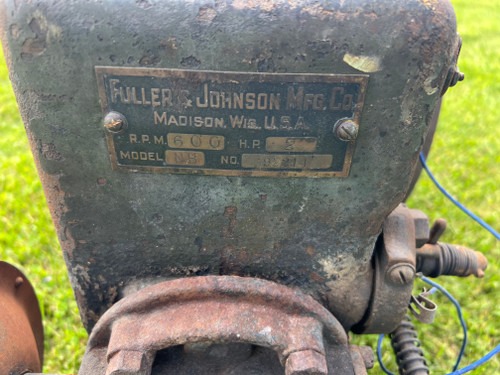
For enthusiasts looking to restore a piece of motoring history, selecting the right vintage power plant is essential. A well sourced engine can transform a neglected vehicle into something reliable and proud to show. Start by assessing the overall condition visually, then move to a deeper inspection of mounting vintage engine for sale points, exhaust systems, and power output. It helps to compare multiple options to understand prevailing market values and typical restoration costs. Always verify ownership documents and service histories where possible, as this adds clarity to the engine’s provenance and potential longevity.
What to check during a hands on inspection
During a practical assessment, focus on the engine block, head gasket integrity, and the condition of seals and hoses. Listen for unusual knocking or ticking sounds that could indicate camshaft wear or bearing problems. Check compression across cylinders, and ensure oil spark plug wire connectors pressure readings are within expected ranges. A test run should reveal steady idle, smooth acceleration, and consistent exhaust smoke. Note any fluid leaks around seals, as these can signal deeper mechanical issues requiring attention.
Spare parts and compatibility considerations
When hunting for a replacement engine or parts, compatibility with your frame and mounting pattern is crucial. Keep a close eye on fuel delivery systems and ignition configuration, as mismatches can lead to frequent troubleshooting. Plan for potential refinishing needs and gasket sets that suit vintage designs. It is also wise to confirm the availability of critical consumables, including spark plug wire connectors and ignition components, since these often influence maintenance intervals and reliability over time.
Practical buying tips for restoration projects
Set a sensible budget with a clear cap on major repairs and transport costs. Prioritise engines that show evidence of regular maintenance and documented service history. Request to view any dyno reports, workshop receipts or build notes, which offer valuable insight into past care. If possible, arrange a professional appraisal to identify hidden issues such as rust in the block or compromised valve seats. A cautious, informed approach helps prevent overpaying for motors that require substantial reconditioning.
Conclusion
Finding the right vintage engine for sale takes patience and a practical eye for detail. Start with a solid inspection, compare options, and map out a realistic restoration plan before committing. If you want access to a broader selection and trusted guidance, Flywheel Supply offers a thoughtful range of vintage components and support to help enthusiasts pursue their projects with confidence.


