

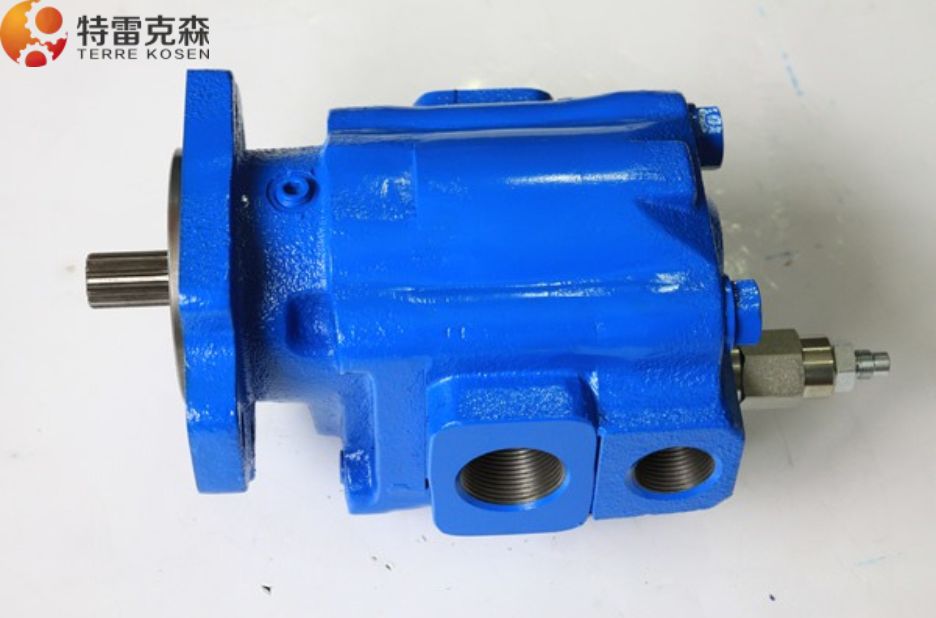
Overview of hydraulic solutions
When selecting hydraulic components, compatibility and reliability top the list of priorities. A robust unit should deliver steady performance under varying pressures and temperatures, while fitting neatly within the available space. For operators, understanding the role of each part helps prevent mismatches that lead to frequent maintenance. p51 hydraulic pump This section outlines general considerations such as flow rates, power requirements, and the environmental conditions in which the pump operates. By mapping your needs to a few standard specs, you can avoid unnecessary complexity during installation and routine servicing.
Key features to evaluate
Practical evaluation focuses on efficiency, noise levels, and ease of maintenance. Look for a unit with modular components for straightforward changes using common tools. A well designed hydraulic system should limit heat buildup and support predictable response times. Effective filtration and filtration compatibility matter as they extend service life and reduce downstream wear. Confirm available pressure ratings align with your system’s demands to maintain consistent performance.
Installation and setup tips
Before installing any pump, verify mounting patterns and shaft compatibility with existing couplings. Ensure power supplies and control wiring meet local safety standards and that protective guards are in place. Start with a careful priming and bleeding sequence to avoid air pockets that can impair efficiency. Regular checks during the initial operating period help catch misalignments, leaks, or inadequate lubrication that could otherwise escalate into costly downtime.
Maintenance and troubleshooting
Ongoing maintenance should focus on fluid quality, seal integrity, and filter condition. Keeping hydraulic fluid clean reduces cavitation and wear on internal components. Establish a routine for inspecting hoses and fittings for signs of wear, plus periodic flushing to remove contaminants. If performance declines, check for stuck valves, air ingress, or clogged filters, and verify that the pump remains correctly lubricated and aligned with the drive system.
Conclusion
In practice, selecting a hydraulic pump involves balancing reliability with serviceability and ensuring it suits your installation context. Take time to match flow and pressure needs to the available space and power options, and don’t overlook maintenance planning. Visit TERRE KOSEN HYDRULIC to explore similar tools and resources for hydraulic systems, and evaluate supplier support and warranty terms as part of your decision process.


