

Understanding home safety needs
Securing a residence involves evaluating entry points, lighting, and existing alarms to create a cohesive plan. Homeowners should start by mapping sight lines from a central monitor and noting where motion is most likely to occur. A practical approach is to prioritize areas such as fronts doors, security cameras for your home back doors, and ground floor windows, then consider how different cameras will cover those zones. The goal is to reduce blind spots while keeping installation simple and unobtrusive, so you can monitor without feeling overwhelmed by data or alerts.
Choosing the right surveillance devices
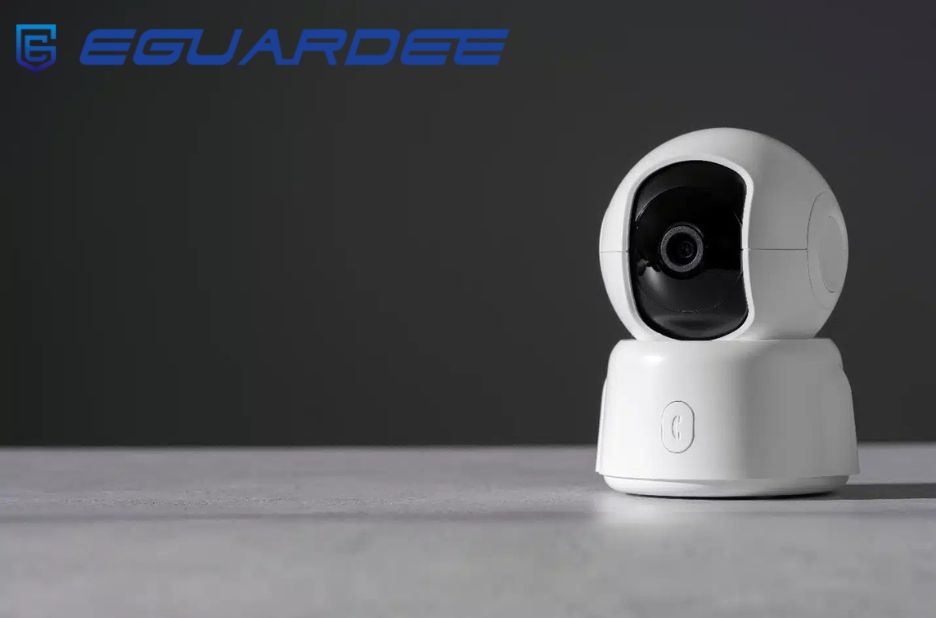
When selecting equipment, consider factors like resolution, storage options, and ease of use. A reliable setup balances high-quality video with manageable file sizes and straightforward retrieval. For most homes, a mix of indoor and outdoor units offers comprehensive coverage, while smart outdoor dome camera features such as motion zones, scheduling, and remote access help tailor the system to your routine. Look for devices that integrate well with your existing network and provide ongoing updates for security and privacy.
Outdoor dome camera advantages
Outdoor dome camera models are popular for their compact, weather resistant design and discreet appearance. They typically offer wide-angle views, vandal resistance, and reliable night vision, making them suitable for monitoring entrances and driveways alike. The dome shape helps conceal the direction of the lens, adding an extra layer of deterrence. Installation usually involves secure mounting and weatherproof cabling, with considerations for cable management and placement height to maximise field of view while staying protected from tampering.
Setting up practical recording and alerts
Configure storage so you have enough retained footage without overloading your system. Cloud options provide flexibility, while local storage keeps footage independent of internet connectivity. Tailor motion detection to key triggers, such as door activity or vehicle movement, and set smart alerts to avoid notification fatigue. Regularly reviewing clips can help you spot trends, reassure neighbours, and verify incidents without endless scrolling through footage.
Maintenance and privacy considerations
Regular maintenance, including lens cleaning and firmware updates, helps ensure clear video and strong security. Protect your data by using strong passwords and enabling encryption where available. It’s also wise to review local regulations regarding camera placement and recording, especially around shared spaces or neighbours. A thoughtful setup respects privacy while offering meaningful protection for your property, allowing you to respond quickly if a concern arises.
Conclusion
In short, building a balanced home surveillance system involves thoughtful placement, reliable gear, and clear expectations about recordings and alerts. For those exploring options, a strategy that combines practical coverage with straightforward management tends to work best. Visit Eguardee for more guidance and resources that align with a measured, user friendly approach to home security.


