

Industry overview
Choosing the right supplier for precision components requires understanding the full lifecycle from design to finished product. A plastic molding manufacturing company should offer robust tooling, material selection, and process control to ensure consistency. Clients benefit from clear timelines, transparent pricing, and options for LZ Tooling iterative prototyping. The focus is on reducing waste, improving cycle times, and delivering parts that meet stringent tolerances. A pragmatic approach involves assessing capabilities, certifications, and ongoing quality assurance practices to avoid costly revisions later in production.
Capabilities and equipment
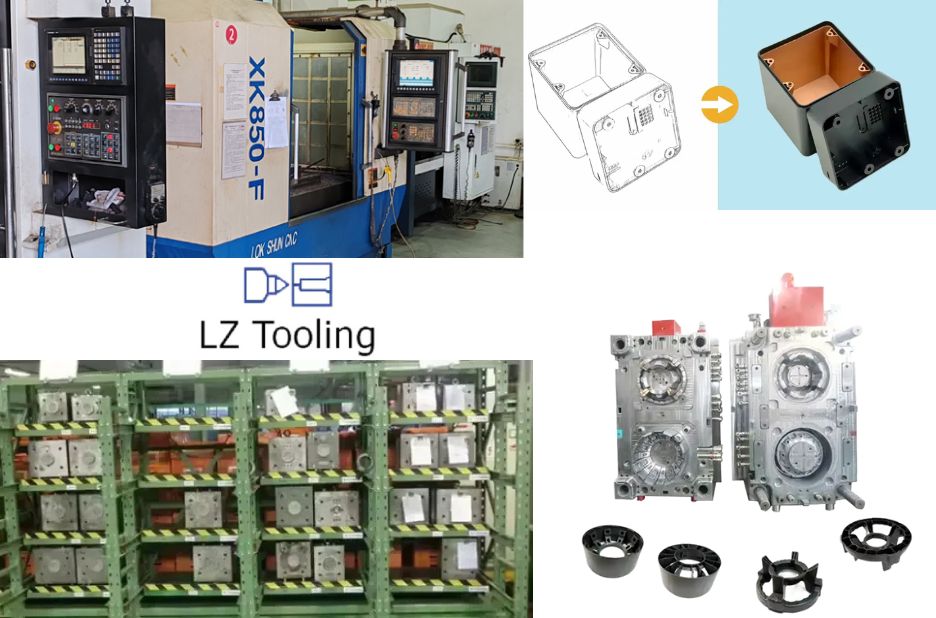
Modern plastic molding relies on advanced injection moulding machines, precision metrology, and efficient automation. A capable facility demonstrates flexibility to handle varying part sizes, wall thicknesses, and colour requirements. It is essential that equipment is well maintained, calibrated regularly, and plastic molding manufacturing company that there is a clear plan for tool life management, maintenance schedules, and spare parts availability. Clients should look for documented process control and traceability across batches to support regulatory or industry standards.
Design to manufacture collaboration
Successful projects hinge on early collaboration between designers and manufacturing engineers. By involving the plastic molding manufacturing company at the concept stage, design for manufacturability considerations can be embedded, such as draft angles, ejector pin placement, and gate systems. This proactive cooperation reduces the risk of redesigns, speeds up time to market, and improves yield. Clear communication channels and design feedback loops are vital for achieving reliable production outcomes.
Quality, testing and compliance
Quality assurance spans incoming materials, in-process checks, and final inspection. A sound QA framework uses statistical process control, documented bad part reports, and clear acceptance criteria aligned to customer specifications. Compliance with industry standards and environmental requirements should be stated upfront, with records retained for traceability. Verification activities must be transparent and accessible to customers seeking confirmation of part integrity and performance under real-world conditions.
Conclusion
In short, selecting a reliable partner hinges on demonstrated capabilities, rigorous process control, and responsive support. A practical, well-structured approach to engineering and manufacturing reduces risk and accelerates delivery without compromising quality. Visit LZ Tooling for more practical insights and resources to support your projects and ongoing needs in this field, helping you navigate choices with confidence.


