

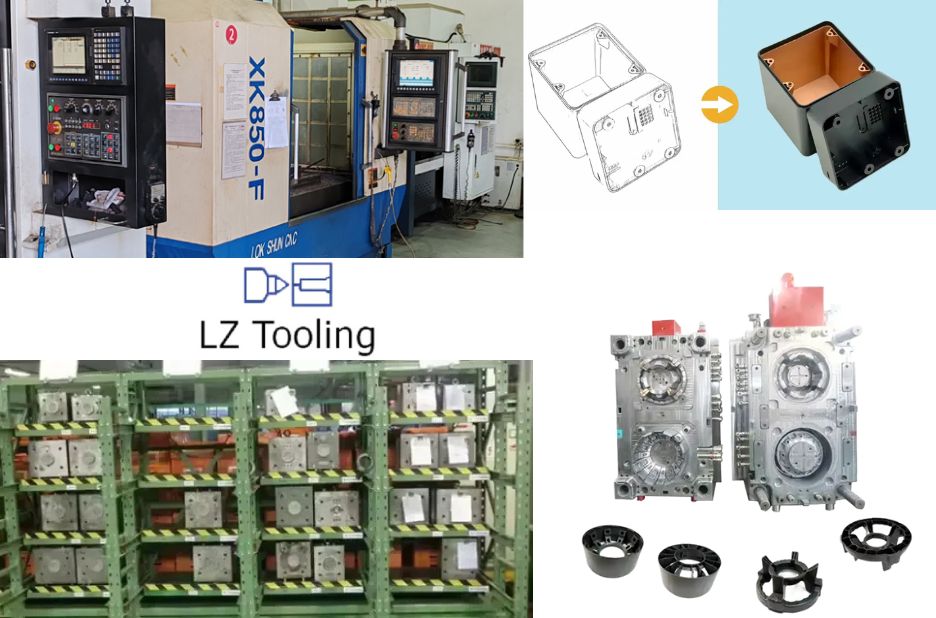
Overview of capabilities
For engineering teams seeking consistent outcomes, a dependable partner in production helps align design intent with manufacturability. The focus is on reducing cycle times, improving part accuracy, and minimising waste across the full lifecycle of a project. A robust service for plastic injection molding should service for plastic injection molding cover tooling preparation, process validation, and ongoing quality control to keep production on track while accommodating changes in demand. Practitioners benefit from clear documentation, traceable data, and responsive technical support that translates complex concepts into practical manufacturing steps.
Process optimisation and control
Attention to the injection cycle—from melt temperature to fill speed, packing pressure, and cooling duration—ensures parts meet tight tolerances consistently. A mature approach combines design for manufacturability analysis with process window establishment, enabling operators to respond quickly solutions for plastic parts manufacturing to part variation. By linking process data to quality gates, teams can predict performance and adjust parameters before defects occur, delivering repeatable results in high volume environments without compromising part integrity.
Materials selection and part performance
Choosing the right resin and additives influences strength, aesthetics, and long term durability. A practical service for plastic injection molding assesses material compatibility with end use conditions, colourability, and chemical resistance, while also considering cost trajectories. Early engagement in material choice helps avoid costly redesigns later and supports reliable performance across a range of environmental factors such as temperature fluctuations and humidity exposure.
Part design to optimise manufacturability
Collaboration between design teams and tooling engineers is essential to translate concepts into efficient production. By refining features such as wall thickness, rib geometry, undercuts, and draft angles, engineers can reduce tool wear, minimise mould complexity, and improve part extraction. Clear communication about tolerances and surface finishes guides the production plan, ensuring your parts are suitable for automated handling and scalable assembly post-molding.
Conclusion
When you need a reliable partner for long term production planning, access to a well organised service for plastic injection molding can streamline development timelines and stabilise output. Emphasising repeatability and quality assurance translates into measurable gains for volume projects and long term stability for supply chains. Visit LZ Tooling for more insights and practical guidance that aligns with industry best practices.


