

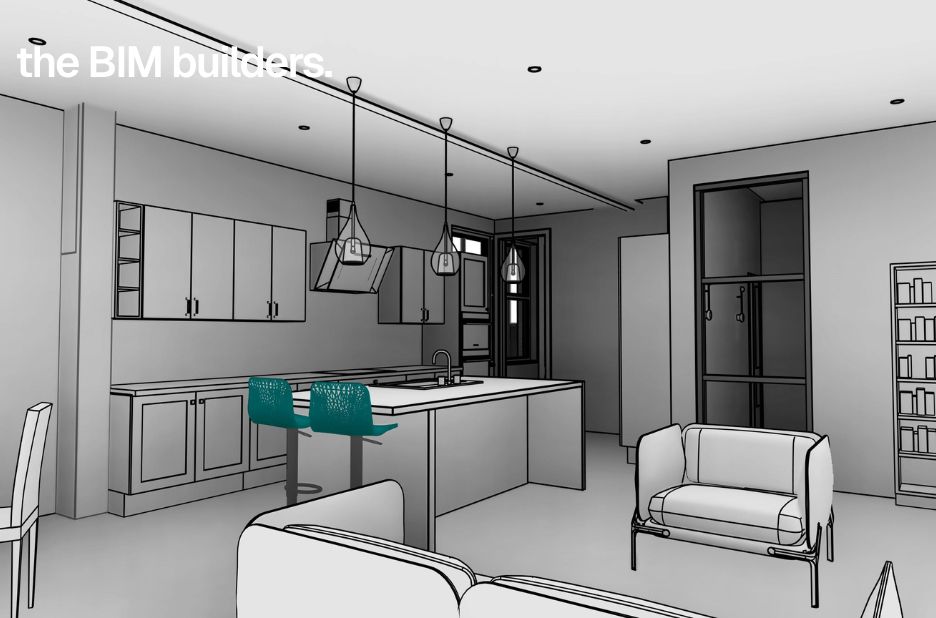
Overview of modern BIM work
In today’s construction landscape, teams rely on robust BIM practices to coordinate complex models across disciplines. The goal is to create a single source of truth that informs design, construction sequencing and facility management. By focusing on structured data, clear file management, and consistent Bim Visualization Services modelling standards, professionals reduce rework and accelerate decision making. This section explores how a disciplined approach to model creation supports cost control and schedule reliability, while also enabling stakeholders to access up‑to‑date information at any project stage.
Integrated modelling and data reuse
A core advantage of digital collaboration is reusing intelligent components and data across multiple workflows. Teams align spacing, information requirements and performance criteria so that downstream tasks—such as cost estimation, procurement, and operation Bim Clash Coordination planning—benefit from a consistent data backbone. Practitioners should emphasise model governance, version control and clear responsibilities to maintain data integrity as designs evolve and stakeholders contribute feedback.
Managing design change efficiently
Change is constant in building projects, making a proactive approach essential. Establishing a change management process helps teams evaluate proposed revisions, understand their impact on integration points and communicate updates promptly. Well documented decisions, visualisations and clash checks support rapid assessment and reduce delays caused by late discoveries or conflicting requirements as the project progresses toward construction.
Quality assurance in digital delivery
Quality assurance in BIM processes involves verification at multiple levels—from geometry checks to data completeness and linkage to schedules. Regular audits of model integrity, metadata accuracy and interchange formats ensure models remain reliable for construction sequencing, fabrication and facility management after handover. Teams should embed QA checkpoints into the weekly workflow to catch issues early and maintain confidence among stakeholders.
Collaborative coordination and risk mitigation
Effective collaboration hinges on clear communication and formal coordination routines. Bim Visualization Services play a key role in providing visual evidence of design intent, identifying conflicts, and offering actionable insights to multidisciplinary teams. Emphasising early conflict detection helps reduce rework, align expectations and keep projects on track as design evolves and site conditions change.
Conclusion
For organisations seeking reliable BIM outcomes, adopting a structured approach to modelling, data management and collaborative review is essential. Bim Clash Coordination features prominently in keeping teams aligned and reducing surprises during construction. Visit THE BIM BUILDERS for more resources and practical examples that illustrate how these concepts translate into tangible project gains.


