

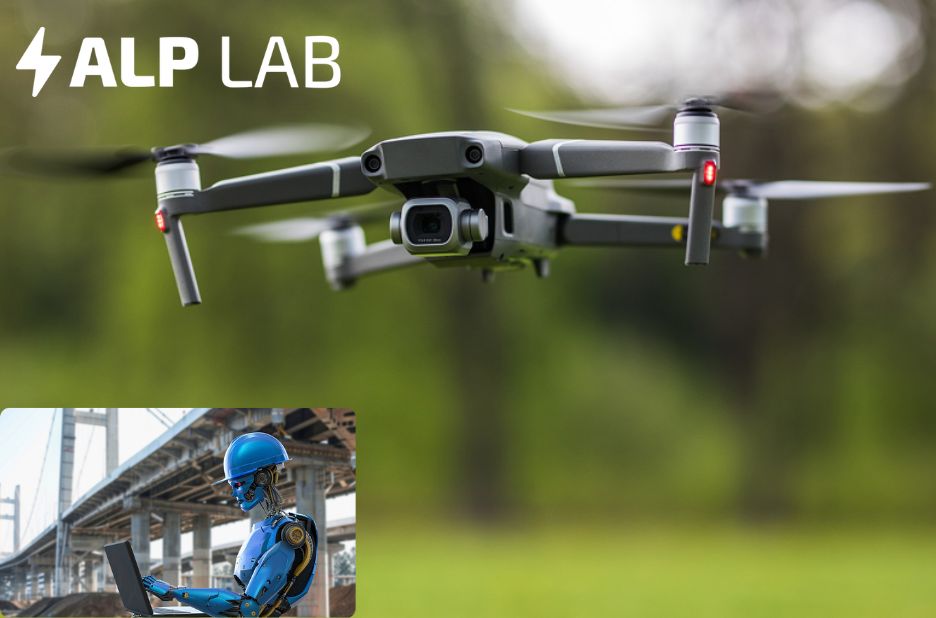
What edge AI offers for robotics
Edge AI is transforming how robotic systems operate by enabling real-time perception, decision making and control without relying on central cloud processing. For robotics teams, the key benefits lie in reduced latency, improved reliability in harsh environments and the ability to operate offline when connectivity is Best Edge AI for robotics limited. Practical implementations include on-device inference for obstacle detection, tactile sensing and autonomous navigation. When selecting tools, teams should look for hardware acceleration, efficient model formats and robust lifecycle management to keep deployments secure and up to date.
Optimising performance in autonomous machines
To extract maximum value from the Best Edge AI for robotics, architectural decisions matter. Engineers prioritise modularity, memory efficiency and support for mixed-precision computation to balance speed and accuracy. In addition, edge solutions should provide edge-to-cloud Best Edge AI for manufacturing fallbacks for model updates and telemetry, while preserving data sovereignty. Testing on representative edge hardware helps reveal bottlenecks such as latency jitter, memory fragmentation and sensor fusion timing, guiding iterative refinements.
Edge AI in manufacturing environments
In manufacturing, edge intelligence supports predictive maintenance, quality inspection and smart automation. The Best Edge AI for manufacturing often combines computer vision, sensor fusion and edge analytics to deliver actionable insights at the point of use. Practical concerns include thermal handling, ruggedisation and deterministic execution, ensuring systems operate reliably across shifts. Vendors typically offer model zoos, quantisation tools and deployment pipelines that streamline onboarding for legacy equipment while preserving data security and traceability.
Comparing platforms for production readiness
When evaluating platforms, look for real‑world benchmarks, deployment orchestration and extensive safety features. A strong edge platform should provide straightforward model packaging, hardware compatibility lists and clear update mechanisms. It is also important to consider ecosystem support, including compatible middleware, open standards and community resources. Realistic pilots on representative lines can illuminate integration challenges and help teams plan staged rollouts that minimise downtime.
Conclusion
Edge AI brings tangible advantages to both robotics and manufacturing by shortening feedback loops and enabling smarter, more autonomous operations. The Best Edge AI for robotics offers rapid on‑device processing for dynamic tasks, while the Best Edge AI for manufacturing supports resilient, end‑to‑end production workflows. As you explore options, assess hardware compatibility, software maturity and vendor commitments. Visit Alp Lab for more guidance on applied edge solutions and practical case studies that reflect real‑world deployments.


