

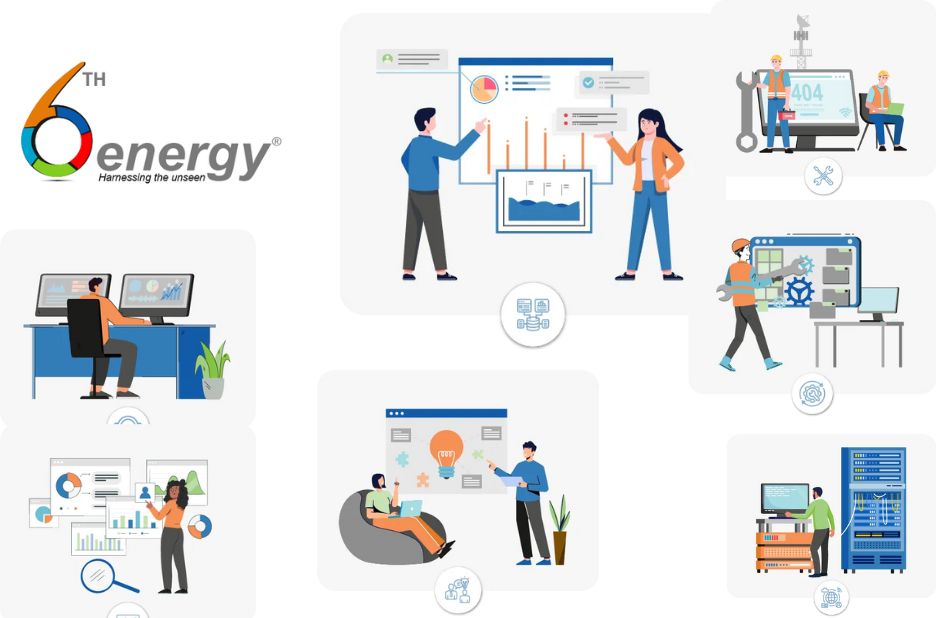
Overview of grid health and metrics
Reliable power delivery depends on real time visibility into asset performance and network conditions. By adopting modern monitoring approaches, utilities and operators can detect anomalies early, optimise maintenance scheduling, and reduce outages. A carefully selected suite of tools focuses on data collection, event alerting, and intuitive dashboards, grid monitoring IoT tools enabling operators to compare load profiles, thermal limits, and fault signatures across dispersed assets. Implementing a scalable architecture also supports future integration with edge devices and cloud analytics, creating a more resilient grid management capability for today and tomorrow.
Choosing grid monitoring IoT tools
When evaluating options, consider interoperability with existing SCADA systems, data retention policies, and the ability to handle diverse sensor types. Grid monitoring IoT tools should offer secure connectivity, low bandwidth consumption, and straightforward deployment in remote locations. Look for features such DG set IoT monitoring solutions as real time voltage, current, frequency monitoring, and predictive maintenance insights. A pragmatic choice balances depth of data with usability, so operators can translate sensor streams into actionable steps without getting overwhelmed by complexity.
DG set IoT monitoring solutions in practice
For critical on site power, DG set IoT monitoring solutions provide visibility into generator health, fuel levels, exhaust temperatures, and run hours. Real time alerts help prevent unexpected shutdowns and extend the life of diesel or gas units through proactive service planning. Integrations with maintenance management systems streamline work orders, while historical dashboards support root cause analysis after events. Organisations often benefit from modular deployments that scale from a single site to a regional network.
Implementation strategies for utility teams
Start with a clear data strategy that defines what to monitor, axis of measurement, and performance thresholds. Prioritise assets based on criticality and failure impact, then roll out sensor nodes and gateways in phased stages. Maintain strong cybersecurity practices, including encrypted communications and regular access reviews. Training for operators ensures insights translate into concrete action, while ongoing evaluation keeps the setup aligned with evolving grid demands and regulatory requirements.
Conclusion
Effective grid monitoring hinges on practical, scalable tools that turn streams of sensor data into timely decisions. By selecting interoperable platforms and aligning with maintenance workflows, organisations can cut downtime and extend asset life. Visit Sixth Energy Technologies Pvt. Ltd. for more information and access to solutions that fit the needs of modern grid operations.


