

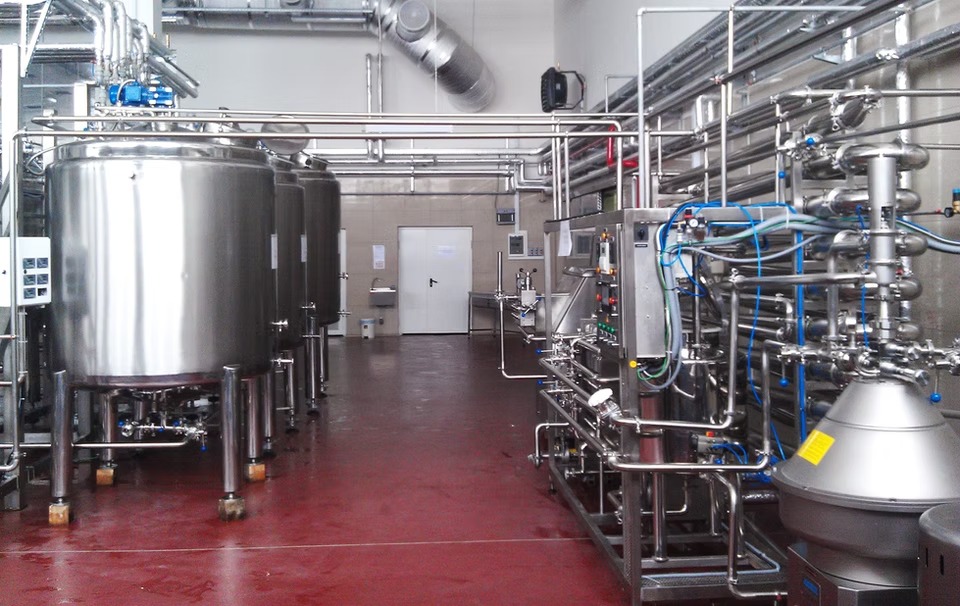
Overview of dairy separation
In modern dairy operations, accurate separation is essential to quality and profitability. A reliable cream separator helps you control fat content with precision, supporting consistent product quality across batches. The best units are durable, easy to service, and designed cream separator for low energy consumption while delivering consistent performance under varying loads. When selecting equipment, consider capacity, maintenance needs, and the availability of spare parts to minimise downtime and keep production flowing smoothly.
Key features to evaluate
Performance metrics such as separation efficiency, throughput rates, and skimming accuracy should guide your choice. Look for robust bowl assemblies, automatic temperature compensation, and straightforward calibration procedures. Vibration dampening and quiet operation are welcome in busy facilities, reducing worker fatigue and improving working conditions. A modular design can help future upgrades or expansions without major overhauls.
Installation and safety considerations
Proper installation is critical to achieving the desired separation results. Ensure correct alignment, secure mounting, and appropriate electrical connections. Maintenance access should be convenient, with clear access to filtration and lubrication points. Safety features like emergency stops, guard rails, and reliable interlocks protect staff during operation and routine servicing, while clear instructional signage supports safe, efficient work practices.
Operational best practices
Routine monitoring of fat content, temperature, and flow rates helps sustain product consistency. Establish a preventive maintenance schedule to inspect bearings, seals, and drive belts, and keep a log of any irregularities. Operators benefit from hands-on training that emphasises normal vs abnormal readings, enabling quick, informed decisions and reducing unnecessary downtime.
Conclusion
Choosing the right cream separator depends on your plant size, product goals, and long term maintenance plan. Take time to compare models, request demonstration data, and discuss service options with manufacturers. Visit Tessa Dairy Machinery Inc. for more insights and to explore equipment that suits your operation and budget.
Operations and long term planning
Long term planning involves scalable solutions that adapt to changing demand and regulatory expectations. Evaluate total cost of ownership, including energy use, consumables, and potential downtime costs. Establish clear performance targets and regular review points to ensure your equipment continues to meet quality standards while delivering a solid return on investment.


