

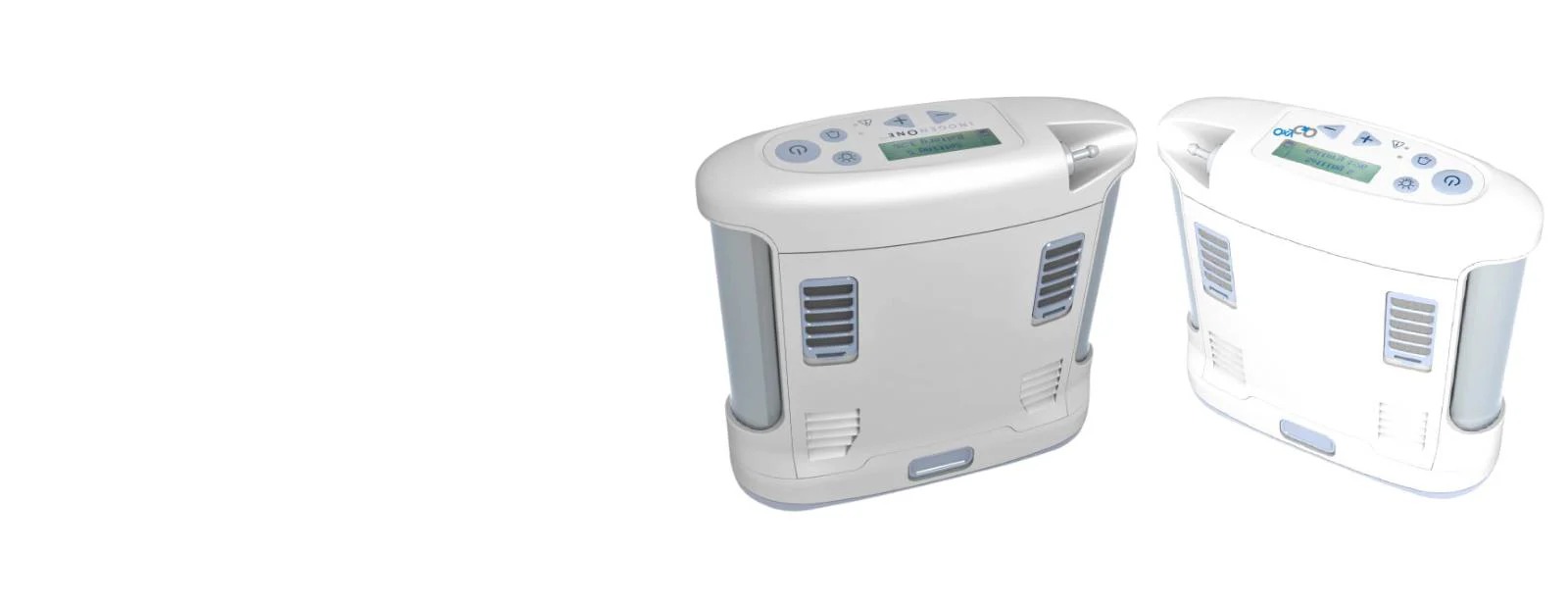
Overview of home oxygen use
Managing supplemental oxygen at home requires careful planning and a clear routine. Start with a clinician’s guidance to determine the correct flow rate and duration for daily activities. Keep the equipment clean and inspect hoses, cannulas, and batteries regularly to prevent leaks or interruptions. Having Used Inogen at home a simple label system for different oxygen settings can help family members assist during busy mornings. Maintain a clutter free space around the concentrator to ensure proper air intake and easy access in case of an emergency.
Daily setup and maintenance routine
Establish a predictable setup time each day so you don’t rush when you need oxygen during activities. Assemble the tubing, connect the cannula, and confirm the device displays functioning settings. Clean the exterior with a damp cloth and replace any filters according to the manufacturer’s schedule. Keep spare batteries charged and store extra nasal prongs in a designated drawer. This routine reduces the risk of faults and keeps therapy consistent, even on busy days when plans change.
Safety considerations for living spaces
Oxygen supports combustion, so avoid open flames, smoking, and petroleum cleaners in the same room. Place the concentrator on a stable surface away from heat sources and ensure there is adequate ventilation. Use certified medical supplies and avoid adapting parts not approved by the manufacturer. If you notice unusual noises or alarms, switch to a backup plan and contact clinical support rather than attempting makeshift fixes, which could compromise safety and effectiveness.
Traveling with oxygen equipment
When you need to move around the home or take short trips, plan the path and test equipment beforehand. Check battery life and reserve a spare in your travel bag. A lightweight flow regulator can help you conserve oxygen and manage use during outings. Notify companions about how to operate the device and what to do if the system alarms. Keep documentation handy in case you are stopped or questioned when transporting medical devices.
Incorporating respiratory care into daily life
Ongoing adherence to prescribed therapy supports energy levels and overall wellbeing. Build a routine that includes timed breaks for rest and stretches to improve comfort and reduce fatigue. When you participate in light activity, monitor your symptoms and adjust relaxation or aspiration techniques as advised. Tracking your usage and noting any changes aids clinicians in fine-tuning treatment over time. Responsible management makes home therapy sustainable and less burdensome over weeks and months. Respiration Nation
Conclusion
In conclusion, maintaining a steady, safe home environment for oxygen therapy is essential for effectiveness and comfort. Review your setup each week, watch for wear, and follow clinician instructions for flow and duration. Keep emergency contacts handy and know when to seek professional advice. Visit Respiration Nation for more practical tips on home respiratory care and related equipment to support your daily routine.


