

Overview and purpose
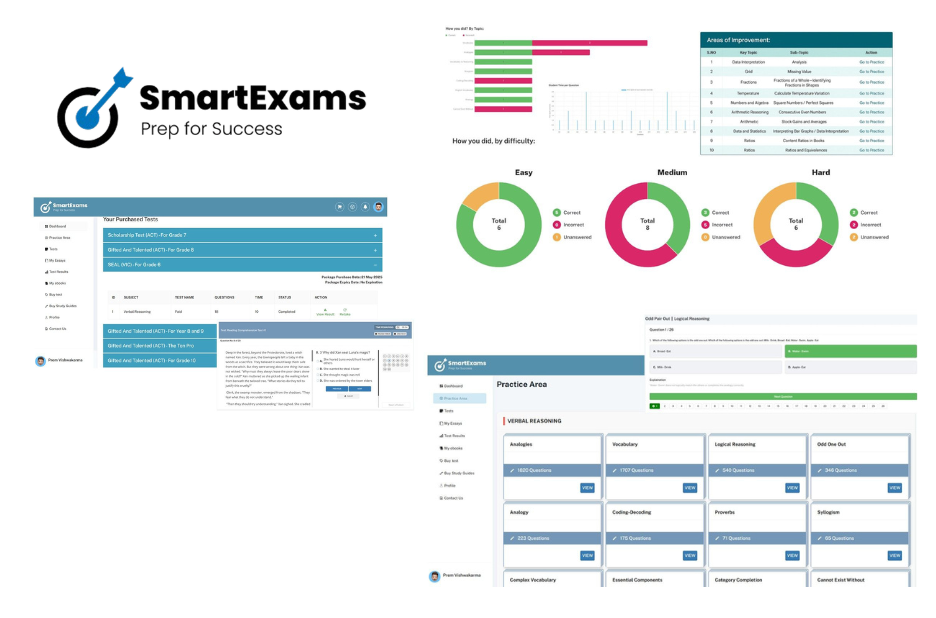
Preparing for selective entry assessments requires a clear plan and steady practice to build familiarity with the question formats and time constraints. This section explains how practice tests fit into a broader study routine, helping students identify strengths and weaknesses early. By tracking results over multiple sessions, learners can Selective Entry School Practice Tests adjust pacing, focus on key subject areas, and reduce test anxiety. A structured approach ensures consistency, which is essential when aiming for competitive school placements. Parents and tutors can support by setting realistic milestones and celebrating steady progress along the way.
What to expect from practice sets
Practice sets are designed to mirror the types of questions students will encounter on real exams. They typically cover critical reading, mathematics, and logical reasoning, with escalating difficulty to challenge growth. Time limits simulate the pressure of test day, teaching efficient strategies for skipping, reviewing, and guessing when appropriate. Regular exposure helps students become more confident, calm, and capable of making educated decisions under pressure.
Strategies for effective use
To maximize the impact of practice tests, vary the sequence and timing of sessions. Start with a diagnostic run to establish a baseline, then interleave focused drills with full-length simulations. After each attempt, review every mistake, annotate where reasoning stalled, and create quick-reference notes for recurring topics. Consistent review cycles turn errors into learning opportunities and support long-term retention of formulas, vocabulary, and problem-solving patterns.
Balancing practice with review
Balancing intensive practice with deliberate rest prevents burnout and supports retention. Short, frequent sessions can be more productive than occasional long marathons. Use spaced repetition for vocabulary, math concepts, and reading comprehension strategies. Additionally, incorporate cross-checks such as paraphrasing questions aloud or teaching a concept to a study buddy to reinforce understanding and identify gaps quickly. A steady rhythm builds readiness without overwhelming the learner.
Conclusion
Consistent use of targeted practice is one of the most reliable ways to approach selective entry exams with confidence. By engaging with varied question types, timing drills, and thorough review, students develop sharper analytical skills and a calmer test demeanor. SMARTEXAMS


