

Introduction to mobile catering on wheels
Running a successful on the go food operation requires a smart setup that fits tight spaces and busy schedules. The right trailer design streamlines service, keeps gear organized, and supports quick turnover during peak hours. A thoughtful layout helps Hook and Line Mobile Catering Trailer staff move efficiently, while customers experience a smooth ordering flow. This practical approach is essential for events, markets, and roadside locations where every minute counts and reliability matters as much as looks.
Choosing a capable Hook and Line Mobile Catering Trailer
The Hook and Line Mobile Catering Trailer represents a balanced option for operators who want mobility without sacrificing service quality. It typically offers a compact footprint, durable construction, and flexible configurations to accommodate cooking equipment, cold storage, and service Cargo Trailer Concession Window counters. When evaluating models, consider airflow, electrical capacity, and how easy it is to clean between shifts. A well-chosen trailer pays dividends through fewer maintenance headaches and consistent performance season after season.
Design features that speed service
Effective design prioritizes a clear workflow from storage to cooking to pickup. Storage drawers, dedicated prep zones, and accessible power outlets reduce unnecessary steps and keep the crew aligned. Service windows should open smoothly for quick order pickup, while durable surfaces support robust daily use. Strategic lighting and ventilation further enhance safety and efficiency behind the counter, especially in busy outdoor settings where conditions vary.
Considerations for cargo reliability
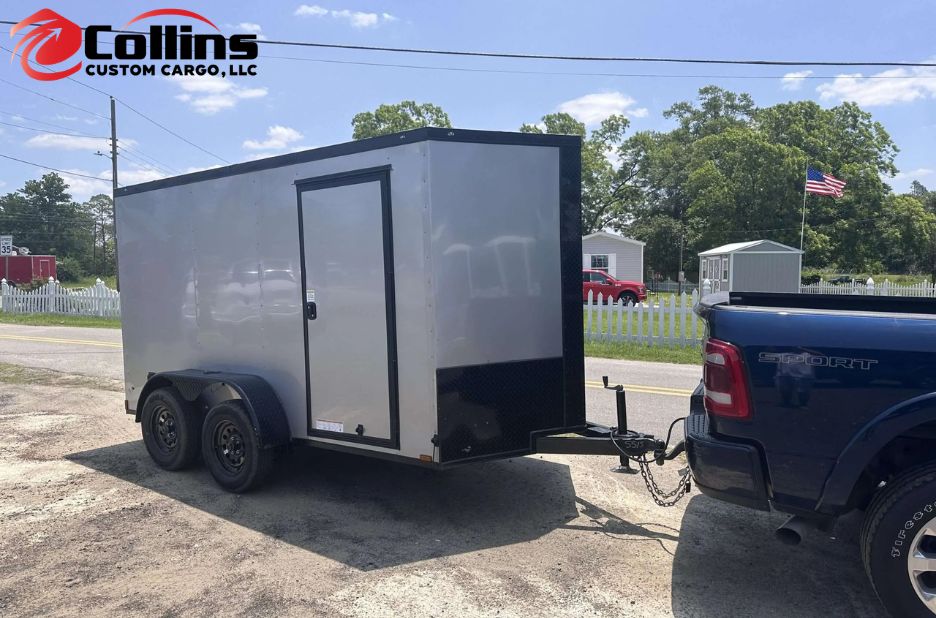
When the operation demands transporting equipment, ingredients, and supplies, a reliable cargo trailer setup matters. A sturdy chassis, secure tie-downs, and weatherproof enclosures protect valuable gear during transit. For concession needs, a Cargo Trailer Concession Window becomes a practical bridge between loading bays and customer interactions, enabling quick restocks and maintaining a clean, professional exterior appearance.
Operational tips for long term success
Regular maintenance, clear labeling, and a simple inventory system keep everything running smoothly. Train staff to stage ingredients close to the prep area and to perform quick checks before each service period. Plan for seasonal demand by adjusting storage layouts and electrical loads. A repeatable setup reduces onboarding time and helps new team members contribute from day one.
Conclusion
With careful planning and the right trailer configuration, a mobile catering operation can deliver consistent, high quality service in varying venues. The balance between mobility, durability, and efficient workflow is the key to sustainable growth and repeat customers. Collins custom cargo


