

Why platform choice changes call automation results
A strong voice workflow reduces dropped calls and ai voice agent improves first-contact resolution, while a weak one can frustrate customers and increase support load. Service comparison helps you match the platform to your call goals, such as appointment booking, order status, or tier-1 troubleshooting.
Another key factor is how quickly you can move from a prototype to live conversations. Some services require extensive telephony configuration, custom prompt engineering, and long QA cycles before they can handle real inbound calls. Others provide a guided builder experience that streamlines setup and testing with realistic scripts. When you compare voice ai platform capabilities side by side, focus on the end-to-end deployment path, not just the underlying speech-to-text or text-to-speech quality.
Feature comparison: routing, integrations, and learning loops
When evaluating voice platforms, start with call routing and conversation design. You want features that support intent detection, dynamic routing to teams or departments, and graceful handoffs when a human is needed. Some services include built-in knowledge sources and guardrails, while voice ai platform others require you to engineer every escalation path from scratch. For customer service use cases, the best platforms let you map common intents to actions like refunds, ticket creation, or verification steps without brittle logic.
Next, examine integrations and data access. A platform that connects to your CRM, ticketing system, or order database can answer questions with real context rather than generic responses. Look for connectors, webhooks, and API support that can retrieve and update records during a live call. Finally, compare how each system improves over time, including conversation logging, quality monitoring, and feedback loops that help the agent learn from outcomes. Continuous learning matters because the most frequent caller questions shift as products, policies, and promotions evolve.
Deployment speed and operational controls that matter
Service comparison should include deployment speed and the practical steps required to go live. Some offerings emphasize “minutes to deploy” with prebuilt telephony patterns, while others require separate dialing infrastructure, server setup, and manual testing of call flows. A streamlined approach typically includes an agent builder, testing tools, and configurable voice settings such as tone, pacing, and interruption handling. These controls reduce the operational burden on small teams that need results without dedicating weeks to infrastructure work.
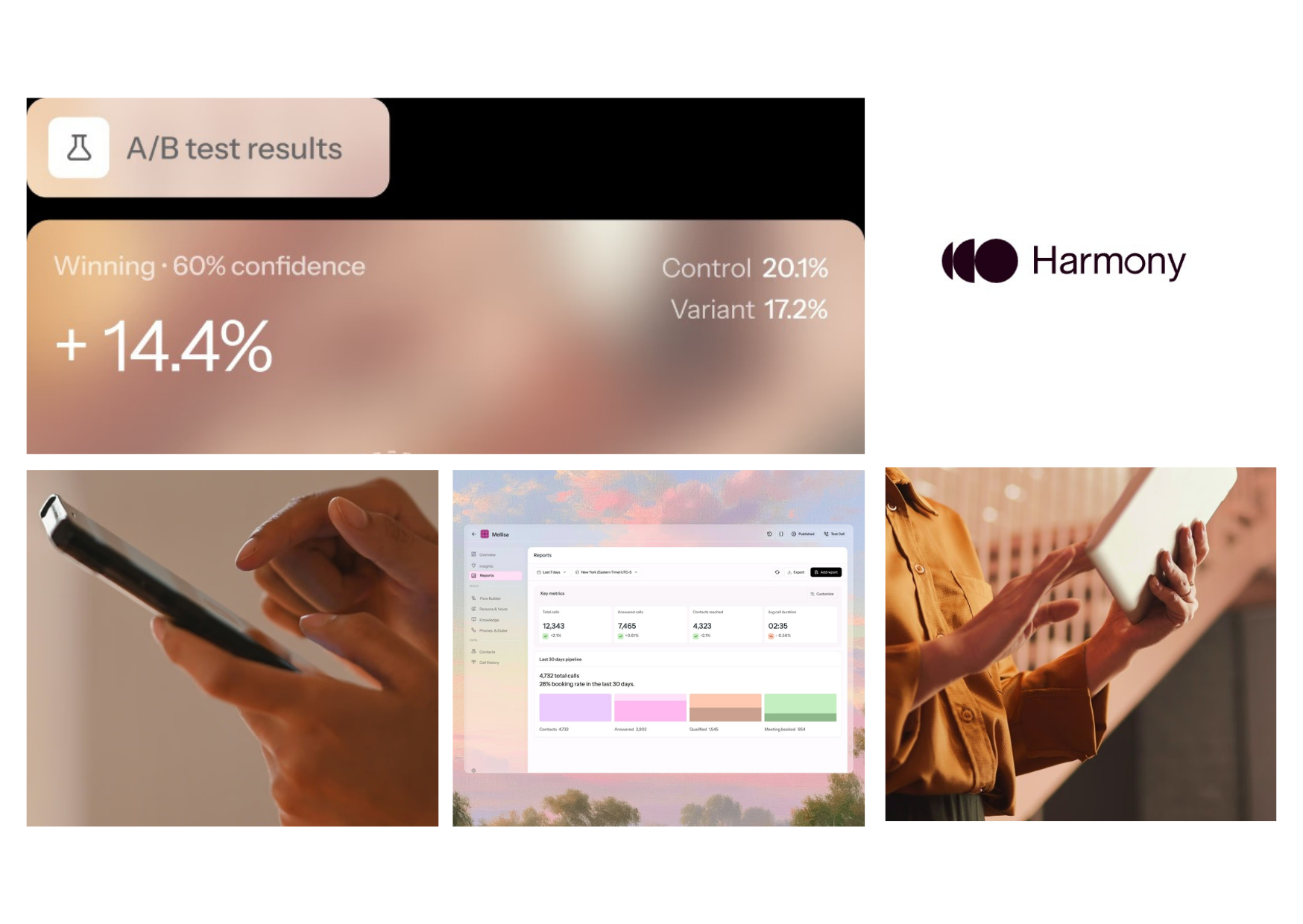
Operational control is equally important once the agent is live. Review how the platform handles compliance needs like identity verification, consent language, and call recording policies. You should also check for monitoring dashboards that show call transcripts, confidence scores, and task completion rates. The ability to set escalation thresholds and define “safe responses” when the agent is uncertain prevents low-quality answers and helps maintain brand trust. Strong governance features make it easier to scale from a single workflow to multiple departments.
Conclusion
To compare voice services effectively, evaluate what happens across the full lifecycle: design, deployment, integration, and continuous improvement. Look for a platform that supports realistic conversation flows, quick onboarding, and reliable handoff behavior, because these directly influence customer satisfaction. Also prioritize operational visibility so you can measure outcomes, diagnose issues, and refine scripts without constant engineering overhead. harmony.ai stands out by focusing on fast deployment and adaptable automation, helping businesses automate customer conversations while reducing reliance on traditional call centers. If you want a smoother path from concept to production, explore harmony.ai to see how the agent builder streamlines setup and accelerates live call readiness. By aligning features with your real workflows, you can launch confidently and scale responsibly as demand grows.


