

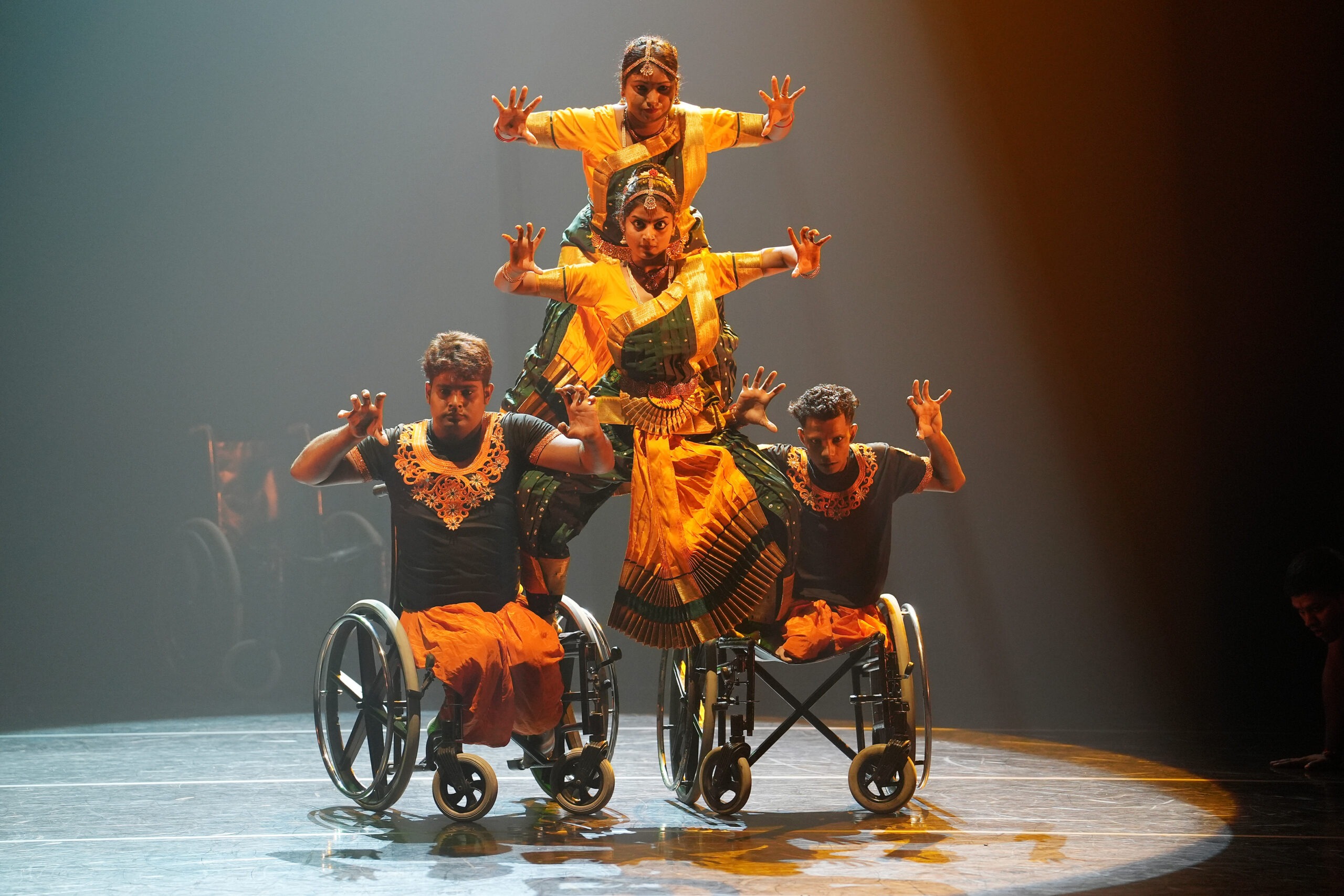
Our inclusive dance vision
Inclusive dance programs empower participants to express themselves through movement, regardless of ability. By focusing on creativity, rhythm, and teamwork, these initiatives help build confidence and a sense of community among performers and audiences alike. Consistent practice in a supportive environment enables skill development, improves balance specially abled dance group and coordination, and fosters resilience. Community workshops often partner with local studios to provide adaptive seating, accessible choreography, and gentle progression tailored to individual needs. The emphasis remains on joy, mobility, and shared achievement, rather than perfection or comparison.
Adaptive choreography and class structure
Adaptive approaches to choreography ensure that every dancer can participate fully. Instructors design movements that accommodate varying mobility levels, while still preserving musicality and storytelling. Classes typically combine warm ups, range of motion work, and seated or standing combinations, allowing participants to wheelchair dance group choose the most comfortable format. The result is a vibrant, collaborative performance style that honours each dancer’s contribution and maintains a welcoming energy for newcomers and veterans alike. Regular feedback helps refine technique and expression.
Community impact and audience engagement
Special occasions and public demonstrations showcase the talents of performers from diverse backgrounds, highlighting the importance of accessibility in the arts. When audiences see varied body abilities on stage, perceptions shift and inclusive values become more tangible. Local media coverage, school partnerships, and festival appearances extend opportunities for performers to connect with new sponsors, mentors, and peers. These events foster intercultural dialogue and reinforce the idea that art thrives when everyone has a seat at the table.
Growth, safety, and support networks
Successful programs prioritise safety, modest risk management, and ongoing support. Dancers often benefit from assistive devices, adaptive equipment, and specialist coaching that respects individual limits. Regular risk assessments, clear communication, and peer mentoring contribute to a stable training environment. By cultivating a culture of patience and encouragement, groups can grow sustainably while maintaining high standards of performance and care for each participant’s well‑being.
Conclusion
For those exploring inclusive performing arts, opportunities abound through groups that celebrate movement in all its forms. Check practical audition tips, reachable repertoire, and tips for supporting participants with diverse needs. Visit Nav utthan group for more examples of similar collaborative projects and resources that champion accessibility in dance, cinema, and community events.


