

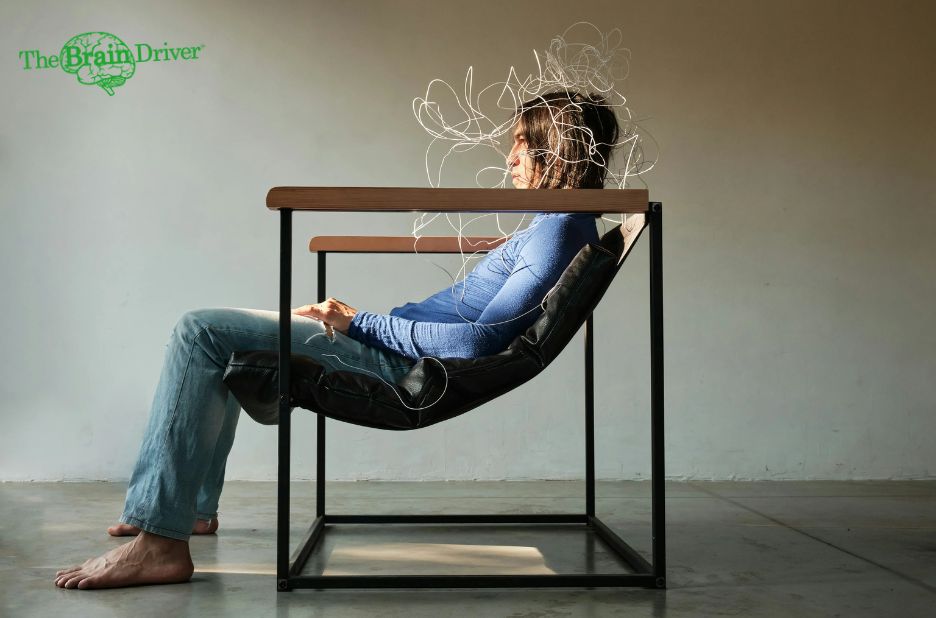
Overview of neurorehabilitation
Brain injuries can impact balance, cognition, and daily function, making a structured rehabilitation plan essential. A holistic approach combines medical assessment with gentle therapies that support neural plasticity and functional gains. Practitioners coordinate with medical teams to tailor treatments that respect the unique Chiropractic Treatment For Brain Injury Recovery timeline of injury recovery, preventing overstimulation while encouraging safe activity. Clear goals, patient education, and consistent monitoring help individuals track progress and adjust strategies as needed, promoting independence and safer participation in daily tasks and routines.
Role of manual therapies in recovery
Manual therapies, when offered by trained professionals, focus on addressing musculoskeletal tensions that may accompany brain injuries. Techniques are chosen for safety and tolerability, aiming to reduce headaches, neck stiffness, and shoulder discomfort that can hinder participation in therapy. While evidence varies, many patients report subjective improvements in comfort and range of motion, supporting enhanced engagement with other rehabilitative activities as part of a broader plan.
Chronic symptoms and functional goals
Long term symptoms after brain injury often include fatigue, mood changes, and cognitive fatigue. Establishing realistic, gradual goals helps people maintain motivation and measure gains in activities of daily living. Therapists work with patients to pace activity, schedule rest periods, and integrate strategies for memory support and concentration, enabling more consistent participation in therapy sessions and everyday tasks as recovery progresses.
Integrating care within a multidisciplinary team
Recovery from brain injury is rarely achieved through a single modality. A multidisciplinary team, including neurologists, physiotherapists, and occupational therapists, coordinates care to address physical function, cognitive demands, and emotional well-being. Regular communication among professionals ensures treatment plans remain aligned with medical status, safety considerations, and patient preferences, while also tracking functional outcomes and adjusting plans as recovery evolves. The aim is a coherent pathway that supports sustained improvement and confidence in daily life.
Conclusion
Chiropractic Treatment For Brain Injury Recovery can be one component of a careful, coordinated rehabilitation strategy when delivered by appropriately trained clinicians in the context of a broader plan. It is important to discuss expectations, safety, and personal goals with your healthcare team. Visit Thebraindriver for more information and perspectives on brain health tools and recovery resources.


